

Red light therapy opens up a realm of possibilities for healing and rejuvenation. This innovative approach, also known as phototherapy or photobiomodulation, taps into the power of light to support the body’s natural recovery process.
Among the spectrum of lights used, red light therapy stands out for its unique benefits, especially when it comes to mending scars. With each beam packed with healing energy, it promises a gentle yet effective way to support skin’s natural recovery.
This article goes beyond the basics – we’ll break down what the research actually shows for different scar types, what results are realistic to expect, and who should be cautious before starting treatment.
What Are Scars And Why Do They Matter?
Scars are marks that appear on our skin after they heal from an injury, like a cut from a kitchen mishap or a scrape from a fun day out. They can also come as a result of skin conditions like acne, surgeries, or even quick growth spurts. But scars are more than just marks – they tell stories of our past adventures and challenges.
It’s fascinating to think about how our body works to heal these wounds. When we get hurt, our body jumps into action, repairing the damage and often leaving a scar as a sign of healing. This process is a testament to our resilience and ability to recover.
However, scars can also touch our lives in ways we might not expect. They can influence how we feel about our looks, which can affect our confidence and how we interact with others. Sometimes, scars can be bothersome, causing discomfort like itchiness or pain – which is why finding ways to help scars heal better or become less noticeable can make a real difference in daily life.
With skincare and health, there are many ways to care for scars, from creams and gels to more advanced treatments such as LED lights and lasers. Each has its own set of benefits, and it’s all about finding what works best for your specific scar type.
What Is Red Light Therapy And How Does It Work For Scar Healing?
Red light therapy is a treatment method that utilizes specific wavelengths of red and near-infrared light to promote healing in the body. This therapy has gained attention for its potential to help with scar healing. Studies such as those in Clinical Cosmetics and Investigational Dermatology suggest that red light therapy can improve the appearance and texture of scars over time.
Here’s what happens at the cellular level:
These wavelengths penetrate the skin’s surface and are absorbed by cells, particularly the mitochondria – the powerhouses of the cell. When cells absorb this light energy, it triggers a cascade of biochemical reactions:
- ATP Production: Light stimulates ATP (adenosine triphosphate) production, the cell’s primary energy source. This increased energy helps cells function more efficiently, supporting the repair and regeneration of damaged tissue.
- Improved Circulation: Red light therapy enhances blood circulation, delivering more oxygen and nutrients to the skin, which further promotes the healing process.
- Collagen Synthesis: One of the key benefits of red light therapy for scars is its ability to stimulate collagen production. Collagen is the structural protein that forms scar tissue, and its proper organization helps scars appear flatter, smoother, and less discolored.
- Fibroblast Activity: Light therapy also increases the activity of fibroblasts — the cells responsible for producing collagen and the extracellular matrix that supports and strengthens healing tissue.
By promoting more organized collagen synthesis and better-regulated fibroblast activity, red light therapy can support smoother scar remodeling rather than the thick, disorganized collagen that often characterizes raised or discolored scars.
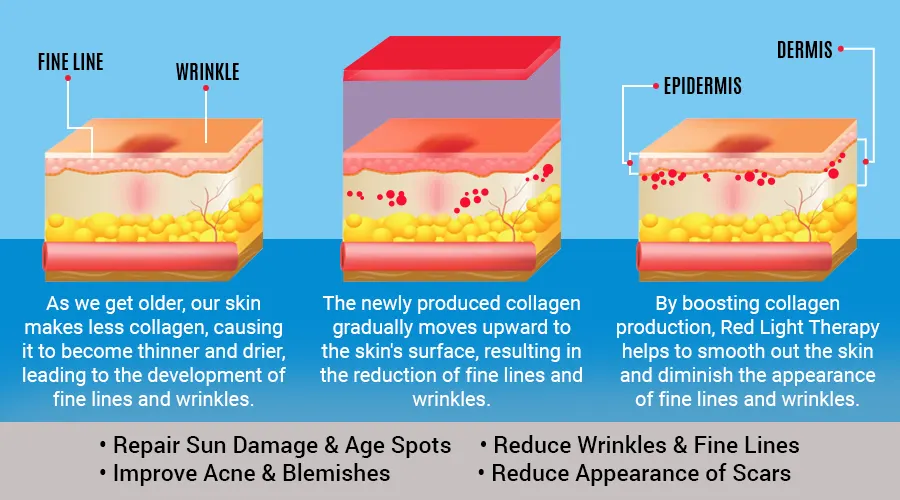 How Red Light Therapy Works for Scars
Does Red Light Therapy Work For Different Types Of Scars?
Not all scars are the same – and neither is how well they respond to red light therapy. Here’s what the research shows across the most common scar types.
Surgical & Post-Operative Scars
This is where red light therapy has the strongest clinical backing. A randomized, controlled phase II clinical trial – the Journal of biophotonics study – tested red LED light on fresh post-surgical incisions starting one week after surgery, using three different light doses, three times weekly for three weeks. Researchers found that red LED-light therapy could be safely used in the early postoperative period and improved scar pliability and overall cosmetic appearance at certain light doses, with a “moderate dose works best” pattern – neither too little nor too much light produced the strongest results.
Acne Scars
Acne scars form differently than cuts or surgical incisions – they’re tied to ongoing inflammation and pore-clogging rather than a single wound event. Clinical research published in the Indian Journal of Dermatology found that regular red light therapy sessions led to a meaningful decrease in active acne lesions by reducing inflammation and regulating sebum production. Fewer active breakouts over time generally means less new scarring forms, while existing acne scars may see gradual textural improvement from the same collagen-remodeling mechanism that helps other scar types.
Keloid & Hypertrophic Scars
Keloid and hypertrophic scars are raised, thickened scars caused by an overactive healing response – collagen builds up faster than the body can organize it. A comprehensive review of photobiomodulation in keloid management found that light therapy may help by targeting the fibrotic, inflammatory, and angiogenic (blood vessel growth) processes that drive keloid formation, and that it’s well-tolerated even on darker skin tones, which are more prone to keloid scarring. That said, keloids are notoriously difficult to treat with any single method – researchers note red light therapy works best as part of a combination approach, not a standalone fix.
Burn Scars
Burn scars – especially hypertrophic burn scars – have some of the most encouraging photobiomodulation data of any scar type. Clinical research on photobiomodulation for children’s post-burn hypertrophic scars found significant improvement on the Vancouver Scar Scale, a standard scar-assessment tool, after three months of treatment – with no adverse effects reported. A broader scoping review of burn, hypertrophic, and post-surgical scars similarly found that near-infrared light improved scar color, elasticity, and thickness.
The “New vs. Old Scar” Rule
Across nearly every scar type studied, one pattern holds true: newer scars respond better than older ones. Research consistently shows that early intervention – starting treatment within the first few weeks while a scar is still actively remodeling – produces more noticeable improvement than starting on a scar that’s already months or years old. Older, more “set” scars can still see some benefit, but typically more slowly and to a lesser degree. This is one of the most important factors in setting realistic expectations, which we cover next.
Realistic Expectations: What Results Can You Actually Expect?
It’s worth being upfront: red light therapy is a supportive tool, not a miracle fix. The scar-treatment market in the U.S. is estimated at over $12 billion annually, and that demand exists precisely because no single treatment – light therapy included – fully erases scars for everyone.
Here’s what’s reasonable to expect:
- Subtle, gradual improvement – not dramatic transformation. Most clinical studies report improvements in scar texture, color, pliability, and patient-reported comfort, not complete disappearance.
- New scars improve faster than old scars. If you’re treating a fresh post-surgical incision or recent injury, you’re likely to see more noticeable change than if you’re treating a scar from years ago.
- Consistency matters more than intensity. Clinical protocols typically use sessions several times a week for weeks to months – sporadic use is unlikely to produce the results seen in studies.
- Results vary by scar type and individual skin response. Surgical and burn scars currently have the strongest evidence base; keloid scars tend to need combination therapy for meaningful results.
- It works best as part of a broader plan, not a replacement for medical treatments. Treatments like steroid injections, silicone sheeting, or laser resurfacing may still be clinically indicated.
Setting these expectations upfront isn’t a discouragement – it’s what separates a sustainable skincare habit from a frustrating one.
Safety & Who Should Avoid Red Light Therapy For Scars
Red light therapy is generally considered safe and non-invasive, with minimal reported side effects in clinical studies – most commonly mild, transient redness or warmth at the treatment site.
However, you should consult a doctor or dermatologist before using red light therapy on scars if you:
➤ Are pregnant or breastfeeding
➤ Have a history of skin cancer or a current suspicious skin lesion
➤ Are taking photosensitizing medications (certain antibiotics, acne medications like isotretinoin, or other drugs that increase light sensitivity)
➤ Have an active skin infection, open wound, or unhealed surgical incision that hasn’t been cleared by your surgeon
➤ Have a seizure disorder that could be triggered by flickering or pulsed light settings, depending on the device
➤ Are treating a scar on or very near the eyes without appropriate eye protection
A few practical safety notes:
➤ Always follow the treatment distance and duration specified in your device’s manual – more light is not always better, and some studies found a “moderate dose” outperformed higher doses.
➤ Avoid red light therapy on broken or unhealed skin unless your doctor or surgeon has specifically cleared it.
➤ If you notice unusual irritation, blistering, or worsening of the scar, discontinue use and consult a healthcare professional.
This information is general guidance, not a substitute for personalized medical advice – especially for surgical scars still in early healing, or for keloid-prone skin.
How To Use Red Light Therapy For Scars
Treating scars and wounds at home with Red Light Therapy (RLT) can be effective for your skin’s recovery journey. Here’s how you can get started:
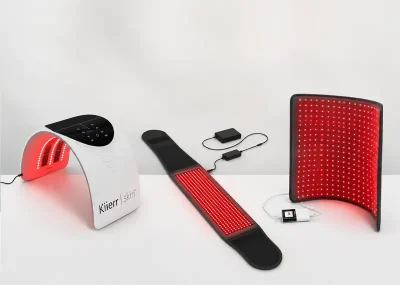
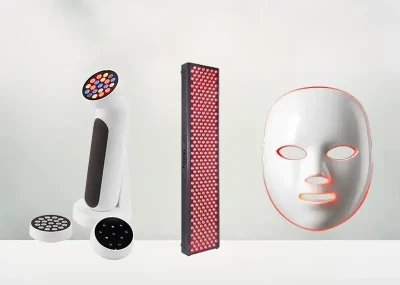
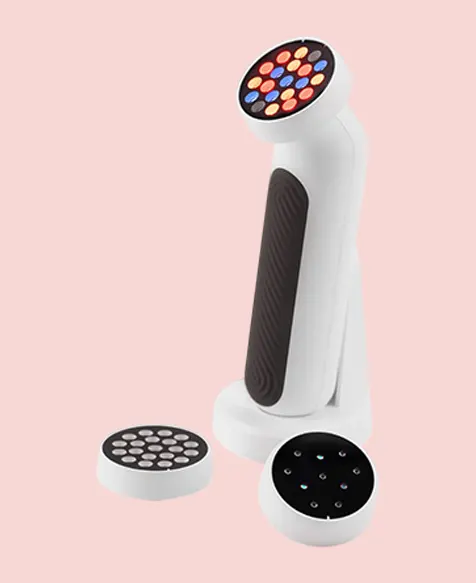
- Choose Your Device: Pick a red light therapy device designed for home use. There are many options, from handheld units to larger panels, so find one that suits your needs and budget.
- Read the Instructions: Every device comes with a manual. Take a moment to read it to understand how your specific model works and any safety advice.
- Prepare Your Skin: Clean up the area you’re going to treat. Make sure your skin is free from lotions, creams, or makeup to ensure the light penetrates effectively.
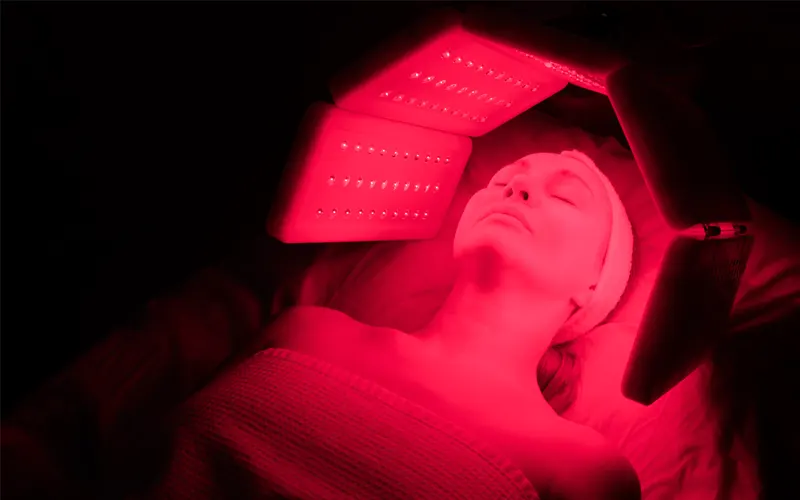
- Set Up Your Space: Find a comfortable spot where you can relax. You might be sitting or lying down for a bit, so get cozy!
- Time Your Sessions: Start with short sessions (about 1-3 minutes per area) and gradually increase based on your comfort and the device’s guidelines. Most devices recommend a daily session for the best results.
- Position the Device: Hold or place the device over the scar or wound, maintaining the distance recommended in your device’s manual. Ensure the light covers the entire area you’re treating.
- Relax and Treat: Turn on the device and relax while it works its magic. You might not feel anything, but that’s normal—RLT doesn’t heat up like a sunbath.
- Stay Consistent: Consistency is key. Keep up with your daily sessions to see improvements in your skin’s healing and appearance over time.
Recommended Devices
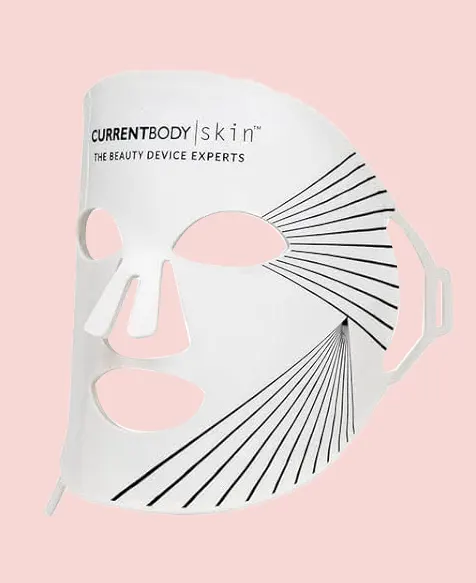
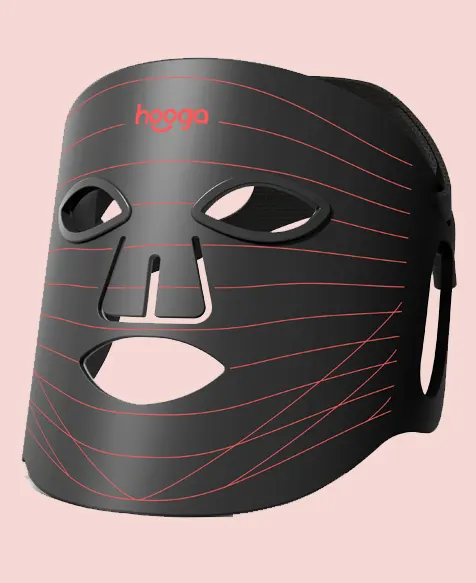
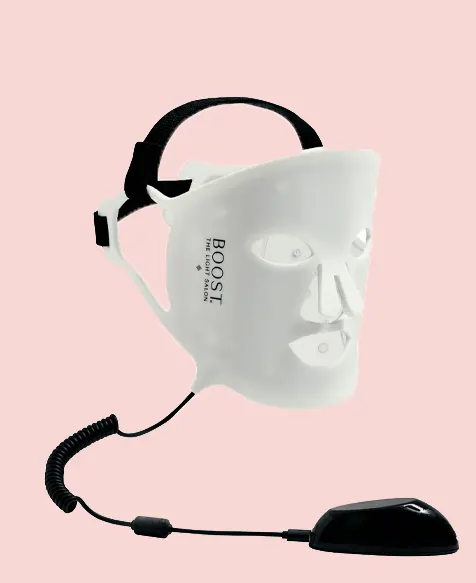
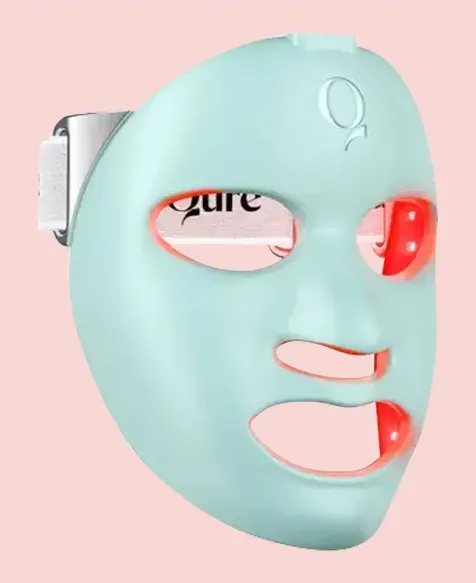

Frequently Asked Questions
What is Red Light Therapy (RLT) and how does it work?
A: Red Light Therapy uses low-wavelength red light to penetrate the skin, aiming to improve cellular function and promote healing. It’s believed to work by stimulating collagen production, reducing inflammation, and increasing blood circulation.
Can Red Light Therapy really help heal scars?
A: Yes, numerous studies suggest that RLT can significantly aid in the healing of various types of scars by enhancing tissue repair and reducing inflammation, leading to improved scar appearance and texture.
Is Red Light Therapy safe for all skin types?
A: RLT is generally considered safe for all skin types. However, it’s always recommended to start with shorter sessions and gradually increase the duration as your skin adapts to the treatment.
How often should I use Red Light Therapy on scars?
A: For best results, it’s typically recommended to use RLT on scars daily or every other day, with sessions ranging from a few minutes up to 20 minutes, depending on the device and the severity of the scars.
When can I expect to see results from using RLT on scars?
A: Results can vary, but many users start to notice improvements in scar appearance within a few weeks to months of consistent use.
Can I use Red Light Therapy on fresh wounds or surgical scars?
A: It’s essential to consult with a healthcare professional before using RLT on fresh wounds or surgical scars to ensure it’s appropriate and safe for your specific situation.
Are there any side effects of using Red Light Therapy on scars?
A: RLT is generally well-tolerated with minimal side effects. Some users may experience slight redness or irritation, but these symptoms typically subside quickly.
Can Red Light Therapy help with acne scars as well?
A: Yes, RLT can be beneficial for reducing the appearance of acne scars by promoting collagen production and reducing inflammation, helping to smooth out the skin’s texture.
Do I need a prescription to use Red Light Therapy for scars?
A: No, you don’t need a prescription for RLT devices intended for home use. However, consulting a healthcare professional before starting treatment is advisable, especially for severe or complicated scar cases.
Can Red Light Therapy completely remove scars?
A: While RLT can significantly improve the appearance and texture of scars, it may not completely remove them. The effectiveness of RLT can vary based on the type, age, and severity of the scars.
Conclusion
Red light therapy shows real, research-backed promise for supporting scar healing – but the evidence is nuanced rather than universal. It tends to work best on newer scars, has its strongest clinical support for surgical and burn scars, and generally needs to be paired with other treatments for more stubborn scar types like keloids.
Used consistently and with realistic expectations, red light therapy can be a gentle, non-invasive addition to your scar-care routine – supporting smoother texture, more even color, and better skin comfort over time. If you’re dealing with a scar that’s causing you significant physical or emotional distress, it’s worth discussing your options with a dermatologist who can help you build a treatment plan suited to your specific scar type.
This article is for informational purposes only and does not constitute medical advice. Always consult a healthcare professional before beginning treatment for scars, especially fresh surgical or burn wounds.