


Red Light Therapy Blankets for Full-Body Recovery, Pain Relief & Wellness
Red light therapy blankets and full-body infrared blankets have become one of the most convenient ways to experience whole-body light and heat therapy at home - without panels, wall mounts, or complex setups. Our curated collection brings together the most effective full-body blanket-style devices on the market, selected for LED count, irradiance output, wavelength precision, and real-world results. Whether you are looking for a medical-grade red light therapy blanket with 2,000+ LEDs for post-exercise muscle recovery, or a full body infrared blanket for deep heat relaxation and circulation support, every device in this collection is chosen for meaningful, measurable outcomes. Explore our full range of red light therapy and infrared blankets for home use below.

All FDA-cleared

Clinically Verified

Safety Assured

Highly-Acclaimed
Shop Red Light Therapy Blankets
Browse our full range of red light therapy blankets and infrared blankets for home use below - from full-body LED red light blankets delivering 2,000+ medical-grade LEDs for recovery and pain relief, to far-infrared sauna blankets for deep heat therapy and relaxation.


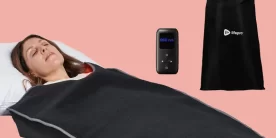
Hooga Red Light Therapy Full Body Blanket
2,680-LED red + NIR blanket - 70mW/cm², soft neoprene, 3-year warranty
Shop Now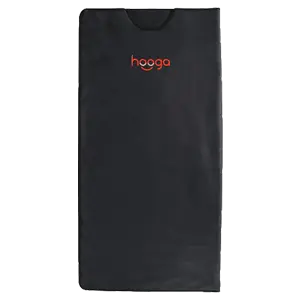
Hooga Infrared Sauna Blanket
Far-infrared heat blanket - 86-176°F, 30-60 min sessions, low EMF
Shop NowWhat are red light therapy blankets?
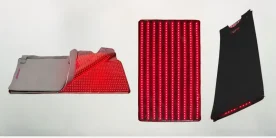
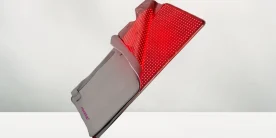
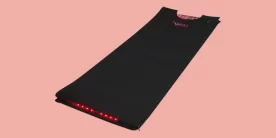
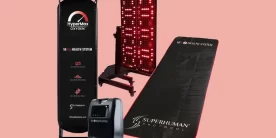
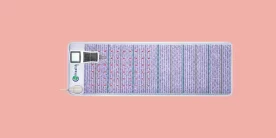
Red light therapy blankets are full-body wearable devices that deliver clinically studied wavelengths of red (660nm) and near-infrared (850nm) light across the entire body in a single session - functioning like a sleeping bag or cocoon that envelops you in therapeutic light from head to toe. Unlike targeted pads or panels that treat one area at a time, a full-body red light therapy blanket delivers simultaneous 360° coverage to all muscles, joints, and tissue in one 15-20 minute session. They fold flat for easy storage and require no wall mounts or permanent setup, making them one of the most practical formats for daily home use. It is worth noting that infrared sauna blankets - such as the Hooga Infrared Sauna Blanket included in this collection - use far-infrared heat technology rather than LED light. Far-infrared heat penetrates deeply into tissue through warmth rather than photons, producing different but complementary effects including deep relaxation, circulation support, and sweat-based detoxification. Both formats offer meaningful full-body benefits; the right choice depends on whether your primary goal is photobiomodulation (LED blankets) or heat therapy (infrared sauna blankets).


Key Factors When Choosing a Red Light Therapy Blanket
LED count & irradiance
Full-body coverage requires a high LED count - the most effective red light blankets use 1,800-2,680+ medical-grade LEDs. Irradiance (mW/cm²) at skin contact drives therapeutic results: look for 70-130 mW/cm² for meaningful muscle, joint, and tissue recovery. Tri-chip LEDs (two NIR + one red per bead) deliver more output per LED than single-chip designs.
Wavelength precision
For a red light therapy blanket, the most clinically studied combination is 660nm red and 850nm near-infrared. Red (660nm) supports surface-level tissue recovery and circulation. NIR (850nm) penetrates deeper into muscle and joint tissue for more comprehensive recovery. Devices specifying exact nanometer values are more trustworthy than those citing vague or broad wavelength ranges.
LED blanket vs infrared sauna blanket
LED red light blankets deliver photobiomodulation - light energy absorbed by cells to support ATP production, tissue repair, and inflammation reduction. Infrared sauna blankets deliver far-infrared heat, producing deep warming, sweat, and circulation benefits. Both are full-body formats; LED blankets are better for recovery and pain; infrared blankets are better for relaxation, stress, and heat therapy. Some users benefit from both.
Portability, EMF & safety
Full-body blankets fold flat for storage under beds or in closets - a major advantage over large wall panels. Look for low or zero EMF output at skin contact (the Hooga blankets report 0-0.14 V/m and 0-0.08 µT respectively). LED blankets should be used directly on bare skin with no clothing. Infrared sauna blankets are typically used with lightweight clothing and a towel inside. All devices in this collection are designed for safe home use.
Frequently Asked Questions
Do red light therapy blankets actually work?
Yes, when used consistently with a medical-grade device at the correct wavelengths. LED red light blankets delivering 660nm and 850nm have been studied for their role in reducing muscle soreness, supporting joint recovery, and improving circulation. Results are cumulative - most users see meaningful improvement after 3-5 sessions per week over 4-8 weeks.
How often should I use a red light therapy blanket?
Most protocols recommend 3-5 sessions per week at 15-20 minutes per session for LED red light blankets. Infrared sauna blankets are typically used 3-4 times per week at 30-60 minutes. Always follow the guidelines specific to your device.
What is the difference between a red light therapy blanket and an infrared sauna blanket?
Red light therapy blankets use LED light (660nm + 850nm) to support cellular repair and recovery via photobiomodulation. Infrared sauna blankets use far-infrared heat to warm tissue, promote sweating, and support relaxation. Both are full-body formats with different mechanisms - LED blankets target cellular recovery; infrared blankets target heat-based relaxation and circulation.
Is a red light therapy blanket better than a panel?
Blankets offer 360° full-body coverage in a single session and fold flat for easy storage - no wall mounts required. Panels typically deliver higher irradiance at distance and suit users who prefer standing or seated sessions. Blankets are more practical for daily at-home use; panels offer more flexibility for targeted or partial-body treatment.

Your privacy is important to us


