


What Are Red Light Therapy Panels?
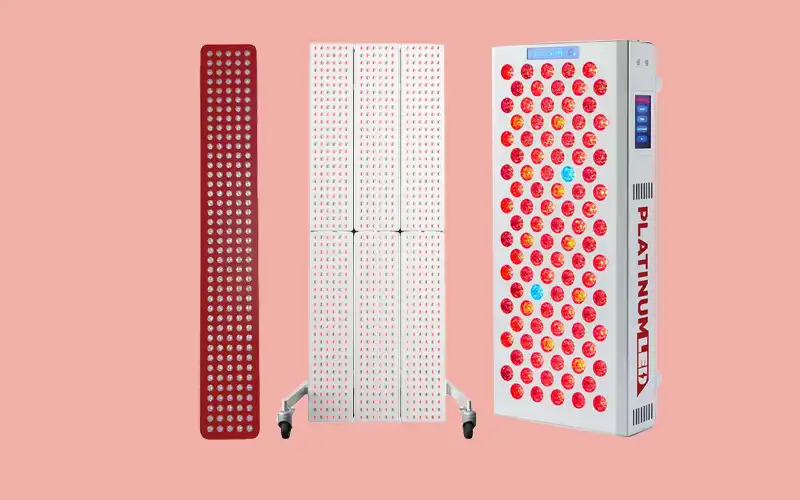
A red light therapy panel is an LED device that delivers red and/or near-infrared light to your skin and the tissue underneath it to support cellular energy production. They range from small handheld gadgets to wall-mounted, full-body panels, and most sit somewhere in the 600nm to 900nm range.
People reach for a panel for a lot of different reasons – easing pain and inflammation, supporting a wound as it heals, softening fine lines, speeding up exercise recovery, or just general skin maintenance. According to Janis T. Eells, Ph.D., a professor of Biomedical Sciences at the University of Wisconsin–Milwaukee whose lab studies photobiomodulation, light is increasingly being treated less like a wellness gadget and more like a targeted, dose-dependent intervention – with different conditions responding best to different wavelengths and doses.
Best Red Light Therapy Panels: Quick Picks
![RLT Home Total Spectrum ULTRA]() Best 7-Wavelength PanelRLT Home Total Spectrum ULTRA Go to Review
Best 7-Wavelength PanelRLT Home Total Spectrum ULTRA Go to Review- At Official Website
![platinum-led-therapy-lights-biomax]() Best for Muscle Recovery & Skin HealthPlatinumLED BioMax 900Go to Review
Best for Muscle Recovery & Skin HealthPlatinumLED BioMax 900Go to Review- Official Website
![Hooga PRO1500]() Best High-Output Full-Body PanelHooga PRO1500Go to Review
Best High-Output Full-Body PanelHooga PRO1500Go to Review- Official Website
![red light man infrared body light]() Best for Full Body RecoveryRed Light Man Infrared Body LightGo to Review
Best for Full Body RecoveryRed Light Man Infrared Body LightGo to Review- Official Website
![bestqool full body red light therapy pro100]() Best Budget / Entry-Level PanelBestqool Pro100Go to Review
Best Budget / Entry-Level PanelBestqool Pro100Go to Review- Official Website
![infraredi pro elite]() Best for Premium Full-Body TreatmentsInfraredi Pro EliteGo to Review
Best for Premium Full-Body TreatmentsInfraredi Pro EliteGo to Review- Official Website

How Do Red Light Therapy Panels Work?
LEDs push photons into your cells’ mitochondria, and that’s believed to support ATP (adenosine triphosphate) synthesis – basically the energy currency your cells run on. If you want the longer version, the National Center For Biotechnology Information has a solid overview of ATP physiology and how cells turn it into usable energy.
Panels generally fall into one of three camps: red light, near-infrared light, or a blend of both.
Red light, roughly 600–750nm, stays closer to the surface. That’s why it’s the go-to range for skin goals – softening fine lines, evening out tone. Near-infrared, roughly 750–900nm, goes deeper, which is why you’ll see it tied more to pain relief, joint support, and muscle recovery.
A study published in Photomedicine and Laser Surgery by Alexander Wunsch and colleagues found that combined red and near-infrared LED treatments were associated with increased collagen density and improved skin elasticity over an eight-week period. Separately, a systematic review in the European Journal of Investigation in Health, Psychology, and Education by Christos Tsagkaris and colleagues found supporting evidence for near-infrared light in pain management contexts.
How We Picked These Panels
Six things kept coming up as the real difference-makers between a panel worth buying and one that’s mostly marketing:
LED Count and coverage matter first. More LEDs usually means more even light across a bigger area, which counts for a lot if you’re trying to treat your whole back rather than holding a handheld unit up to one spot.
Power output, or irradiance, comes next. It’s measured in milliwatts per square centimeter (mW/cm²), and it tells you how much light energy is actually reaching your skin and how deep it can go. Two panels can list the same LED count and still perform very differently once you factor in chip quality and lens design.
Wavelength range is another one we weighed heavily. Most of the research points to a therapeutic window somewhere between 600nm and 900nm, so we looked at how many wavelengths fall inside that range and whether the brand backs its numbers with real spectrometer or lab data instead of just marketing copy.
We also looked at the company behind the panel. Warranty length, whether there’s US-based support you can actually reach, and how long the brand has been shipping products all factor in – a cheap panel from a company that disappears in a year isn’t much of a deal.
Ease of use came up too. Timers, remote or app control, dimming, mounting options – small stuff, but it’s the difference between a panel you actually use every day and one that ends up in a closet.
And finally, price relative to what you’re getting. We looked at the real, discounted price against the spec sheet rather than just ranking cheapest to most expensive.
Our Top Red Light Therapy Panel Picks for 2026
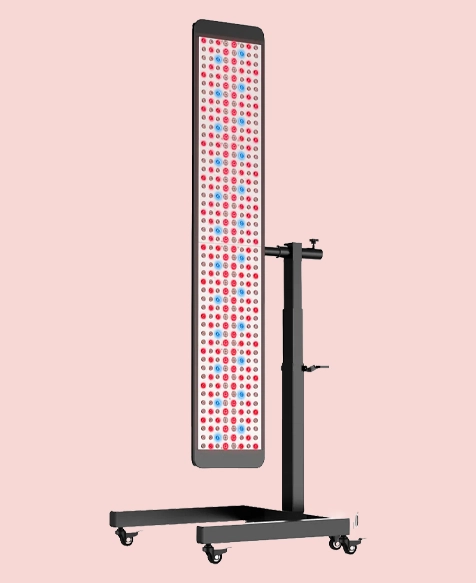
1. RLT Home Total Spectrum ULTRA
Best For: Full-body treatment with the broadest wavelength range
Features: LED Count: 480 high-power LEDs; Modes: 4 Modes – Red, NIR, SWIR, Blue; Technology: Dual-chip center design, integrated module lens, flicker-free, pulse & continuous modes, pre-programmed therapy modes, and voice control
Price: $2,995

Pros & Cons
Pros
- Full-body panel with high LED count
- Rare 7-wavelength spectrum, including blue and SWIR
- Pre-set therapy modes and voice control for ease of use
- Flicker-free and EMF-free for safe, consistent treatments
- Backed by 3-year warranty and 60-day return
Cons
- Higher price compared to mid-range options
More to Know
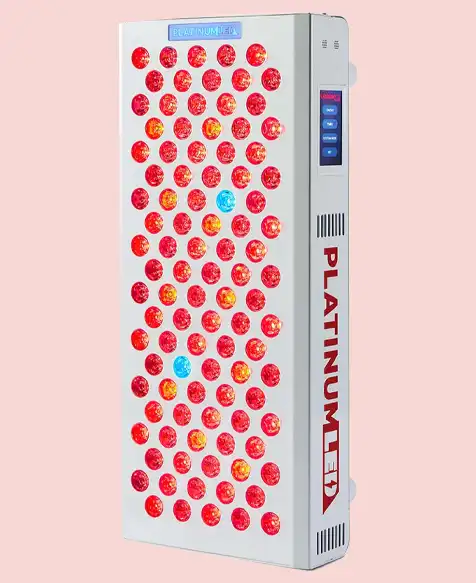
2. PlatinumLED BioMax 900
Best For: Muscle Recovery and Skin Health
Features: LED Power Class of 600 W, 200 LEDs, Rated LifeSpan is 100,000 hrs, Weight is 22 lbs, Max Heat Rating is 130 F / 55 C.
Price: $1,299
Control happens through a touchscreen remote, so you can adjust intensity and session length on the fly, and you can set individual wavelength combinations if you’re running more than one panel at once. It’s a noticeably powerful unit compared to the smaller BioMax panels, and PlatinumLED’s warranty and support record is one of the more established ones we came across.
Pros & Cons
Pros
- Global Shipping, 3-Year Warranty
- HSA/FSA eligible, with a 60-day trial window
- Wide panel face (12″) suited to larger frames
Cons
- Individual results vary, as with any at-home device
More to Know
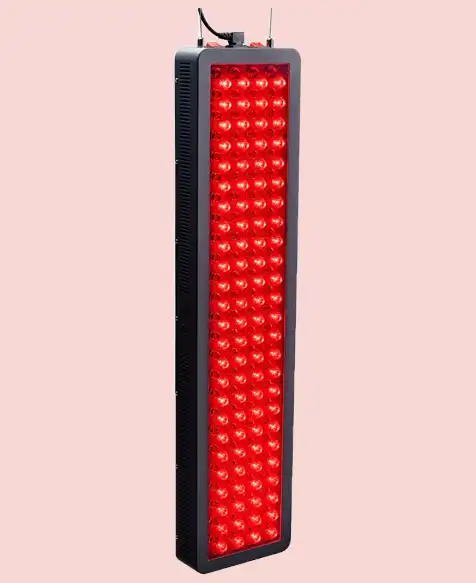
3. Hooga PRO1500
Best For: High-irradiance full-body sessions
Features: Full-body medical-grade light therapy panel, Clinically verified 660nm & 850nm wavelengths, High irradiance: >100mW/cm2 surface, 98mW/cm2 at 6”, Customizable with red & near-infrared power switches
Price: $1,199
It ships with a digital timer, independent controls for the red and near-infrared LEDs, and a door mount already included. It’s also modular, so if you decide later you want a bigger setup, you can link it to other panels in the PRO series on a mobile stand.
Pros & Cons
Pros
- High irradiance for a single-panel setup
- Modular design that grows with you
- Flicker-free, low-EMF, 3-year warranty
Cons
- Two-wavelength spectrum only (660nm/850nm) – no blue, amber, or SWIR options
More to Know

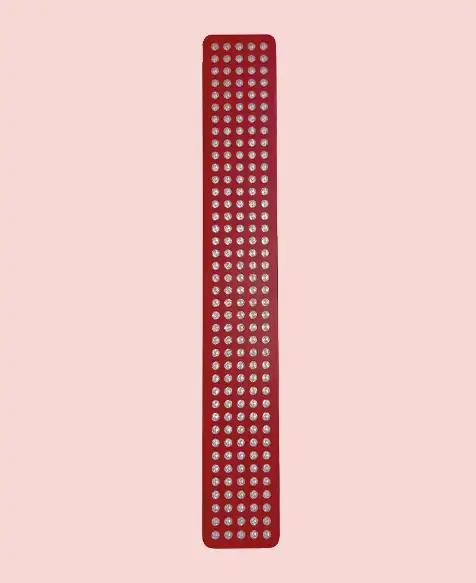
4. Red Light Man Infrared Body Light
Best For: Full Body Recovery
Features: Includes power cord and hanging kit, Compatible with worldwide voltages, Power rating: 600W, Energy consumption: 300 watts, Extended lifespan of over 50,000 hours.
Price: $741.87
Pros & Cons
Pros
- LED tech is 5-10x more efficient than incandescent bulbs
- Free UK delivery, 30-day home trial, 1-year guarantee
- Extended LED lifespan of over 50,000 hours
Cons
- Doesn’t include safety goggles, though the brand notes they aren’t required for use
More to Know
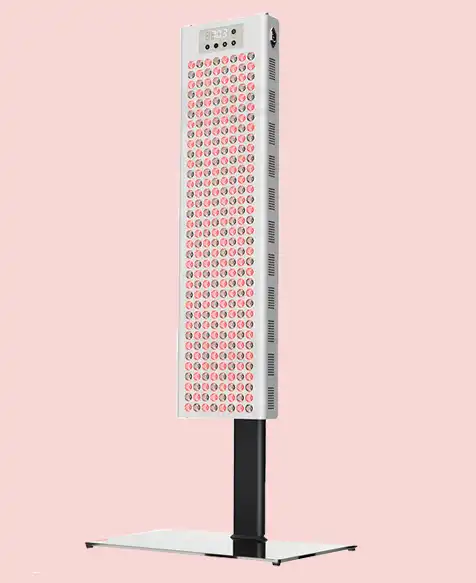
5. RedRush 840 Pulse
Best For: Reducing wrinkles, color patches, and hyperpigmentation
Features: Ultra-Powerful 400 Watt Pulsed Wave Light: Provides strong and effective light therapy, Selectable Pulsed Wave Technology: Choose from 10hz – Alpha Wave, 20hz – Beta Wave, or 40hz – Gamma Wave, 4 Pulse Wave Modes: Multiple modes for varied therapy sessions, EMF Shield: Ensures user safety during sessions.
Price: $569.00
Pros & Cons
Pros
- High-powered LED therapy with several distinct treatment modes
- Selectable pulse wave technology not found on most panels in this price range
- Multiple mounting options for flexible setup
Cons
- Individual results vary, as with any at-home device
More to Know
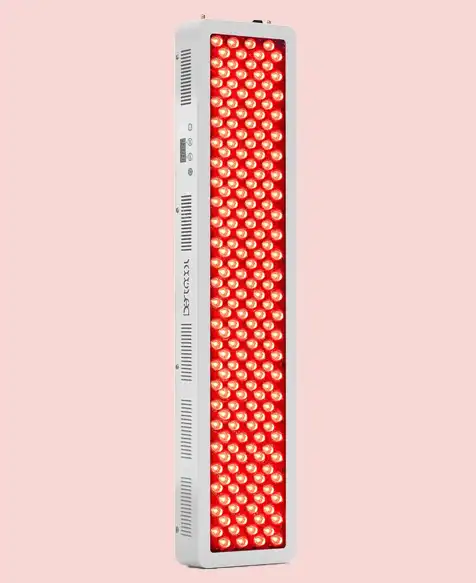
6. Bestqool Pro100
Best For: First-time buyers on a budget
Features: Dual Chip LEDs, Large coverage area (54.2″x10″), 200 LEDs (Dual Chip Red), Upgrade therapy modes & 5 power intensities, Durable, hands-free design, Wavelengths of 660 nm (Red) and 850 nm (Near Infrared)
Price: $329.00
The Pro100 is Bestqool’s entry point into full-spectrum therapy, and for the price, it’s a solid deal – four wavelengths (630nm, 660nm, 850nm, and 940nm) from 100 dual-chip, elite-grade LEDs packed into a compact 19.7″ x 8.4″ panel. Bestqool’s modular connectors mean you can start with a single Pro100 and physically link more units together down the road instead of buying a whole new panel if you outgrow it.
Pros & Cons
Pros
- Four wavelengths at a genuinely entry-level price
- Modular design lets you expand coverage over time
- Lightweight (about 6.6 lbs) and easy to move between rooms
Cons
- Lower irradiance than the full-body panels above, so sessions run longer for the same dose
- Half-body sized panel, not intended for full-body sessions
More to Know
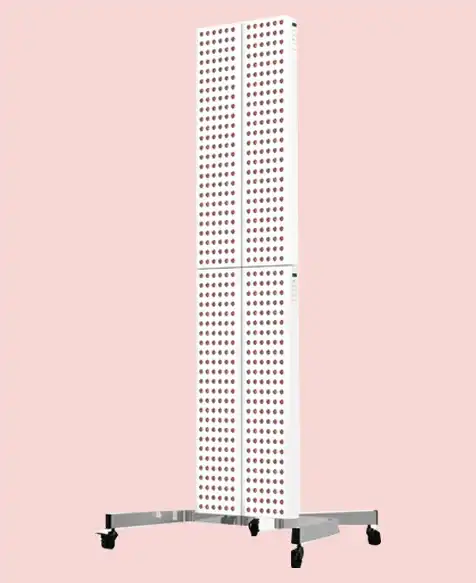
7. Infraredi Pro Elite
Best For: Premium, multi-device full-body treatments
Features: Combination of 4x Max devices, Multiwave Technology: 630nm, 660nm, 830nm, 850nm, Power: 360 Watts (Pro Elite) or 900 Watts (4x Pro Max Combo), Dimensions: 37.5cm x 22cm x 6cm (Pro Elite) or 91.5cm x 22cm x 6cm (4x Pro Max Combo), Weight: 3kgs (Pro Elite) or 10kgs (4x Pro Max Combo).
Price: $3,399
Pros & Cons
Pros
- Multiwave technology across a genuinely wide treatment range
- Combining multiple devices increases overall treatment efficacy
- Purpose-built for premium full-body sessions
Cons
- Meaningfully more expensive than comparable full-body panels
More to Know
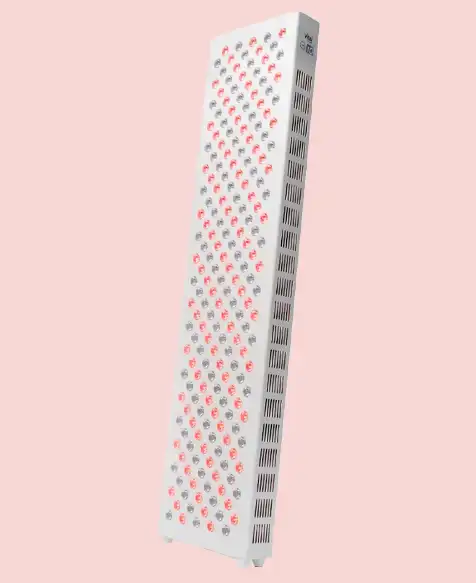
8. Kala Elite
Best For: Touchscreen control on a full-body panel
Features: Red (630, 660nm) and near-infrared (810, 850nm) wavelengths, Wall hanging kit, and door mount included, Zero EMF at treatment distance, 50,000-hour lifespan, Safe and user-friendly, 10-minute auto shutoff timer, User manual included
Price: $799.99
Where it falls a bit short next to some of the other panels here is wavelength range. It sticks to the two most common frequencies rather than the broader spectrum you get from something like the RLT Home Total Spectrum ULTRA or the MitoPRO 1500X, so you’re paying a mid-range price for a fairly conventional wavelength setup. The control interface is the real upgrade here, not the light output itself.
Pros & Cons
Pros
- Touchscreen and remote control with seven pulse frequency settings
- Includes goggles, hanging kit, and wall-adapter charger
- FDA Class II registered, 2-year warranty
Cons
- Only two wavelengths (660nm/850nm) despite the mid-range price point
- Shorter warranty than several panels on this list
More to Know
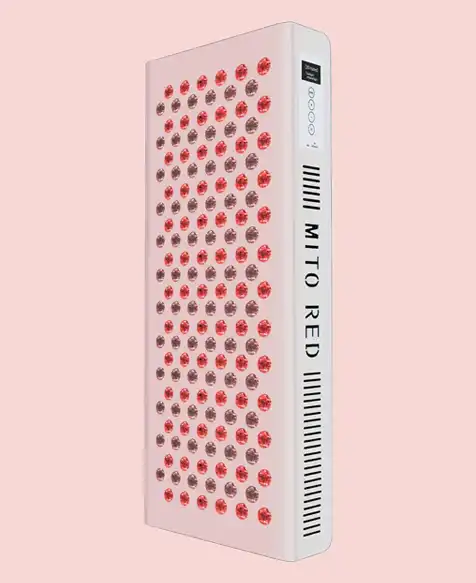
9. Mito Red Light PRO 750
Best For: Half-Body Treatment.
Features: LEDs: 50% Red and 50% Near Infrared (NIR), LED Peak Wavelengths: 25% 630nm, 25% 660nm, 25% 830nm, 25% 850nm, ESPEO™ Spectral Range: 590nm-700nm, 780nm-900nm.
Price: $669.00
Pros & Cons
Pros
- It is the largest panel in the series
- It is best for half-body treatment
- It has an irradiance of 165mW/cm² at a six-inch distance
- It is easy to operate the control panel
Cons
- Bulkier, more utilitarian design than similarly priced panels
More to Know
User Nancy R. explains:
Easy to set up and seems very high-quality build, with noticeable effects after only 1-2 weeks of use at 3-4 minutes per area.
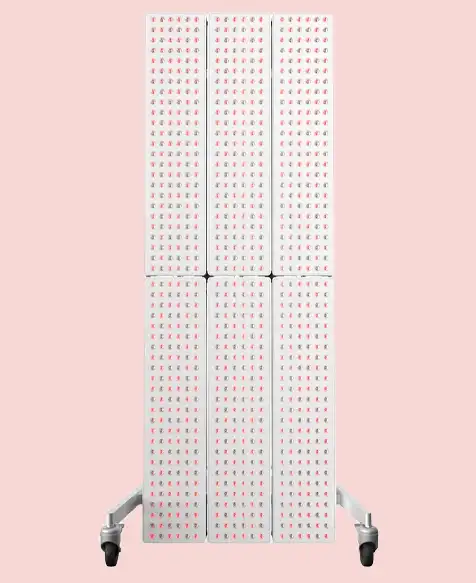
10. Joovv Elite 3.0 Kit
Best For: Full-body treatments
Features: Patented Modular Design, Industry-Leading Quality, Independently Tested, Light Spectrum, Enhanced Irradiance, 25% more irradiance compared to its predecessor, the Joovv Solo 3.0, 1,000 milliwatts per square centimeter (mW/cm²) at a distance of 6 inches, 150 milliwatts per square centimeter (mW/cm²) at a distance of 12 inches.
Price: $10,299
The Joovv Elite 3.0 Kit is a premium device that offers a range of advanced features and benefits. It utilizes red and near-infrared light at wavelengths of 660nm and 850nm to stimulate cellular energy, alleviate pain, relax muscles and joints, and boost blood circulation. The device’s modular design, industry-leading construction quality, and independent testing for effectiveness make it a reliable choice for those seeking a comprehensive full-body treatment solution.
Pros & Cons
Pros
- High-quality construction and design ensure durability and reliability.
- Advanced features and benefits for a comprehensive treatment experience.
- Increased irradiance levels compared to the Joovv Solo 3.0 offer more effective treatments.
Cons
- The high price point may make it inaccessible for some users.
- Some may consider the device to be overpriced given its features.
More to Know
Advertisement
*All individuals are unique. Your results can and will vary.
How We Research
Building this list meant comparing spec sheets, independent lab data where a brand actually publishes it, and pricing across the panels people search for most. We paid attention to safety certifications, wavelength accuracy, and how each company backs up its power output numbers, not just what the product page claims.
We also looked through customer feedback across platforms and leaned toward brands with real support behind them: a phone number or live chat you can reach, a warranty process that’s actually documented, and a track record of shipping products that work. You can read more about our editorial process on our review process page, and our medical disclaimer explains how we frame health claims across the site.
What Makes a Red Light Therapy Panel “Medical Grade”?
The term gets used freely across brand websites, but medical-grade red light therapy panels meet specific, verifiable standards that separate them from general consumer devices.
Here’s what actually qualifies a panel as medical grade:
FDA Class II registration. In the US, a legitimate medical-grade red light panel carries FDA 510(k) clearance or Class II device registration — meaning it has been reviewed for safety and basic effectiveness claims. Look for this explicitly in the product specs, not just “FDA listed.”
Clinically verified irradiance. Medical-grade devices publish irradiance measurements (mW/cm²) at standard distances — typically 3 inches and 6 inches — from independent testing. Brands that only list wattage without irradiance data are not providing the information needed to verify therapeutic dosing.
High-quality LED components. Professional-grade LEDs are rated for 50,000–100,000 hours of use, maintain consistent output over time, and are flicker-free. Cheap panels use lower-grade emitters that degrade quickly and produce inconsistent wavelength output.
Certified drivers and safety components. Medical-grade panels typically use Meanwell or equivalent power drivers, carry CE, FCC, ETL, and RoHS certifications, and emit low or zero measurable EMF at treatment distance.
Precise wavelength output. The therapeutic window for red and near-infrared light is narrow — 630–660nm for red, 810–850nm for NIR. Medical-grade panels verify wavelength accuracy with spectrometer testing, rather than relying on LED manufacturer specs alone.
Benefits of Red Light Therapy Panels
Red light therapy is a cutting-edge technology that has gained recognition for its remarkable health benefits. In this comprehensive overview, we will learn the various advantages associated with red light panels, demonstrating their potential to enhance your well-being and overall quality of life.
Overview Of The Health Benefits Associated With Red Light Therapy
Full body red light panels are a revolutionary technology that offers a wide array of health benefits, ranging from muscle recovery and skin rejuvenation to wound healing, pain reduction, hair growth, and enhanced exercise performance.
This non-invasive approach to health and well-being has shown promise in numerous areas, backed by scientific research and expert endorsements. Here, we present an in-depth exploration of the benefits that red light therapy panels can bring to your life.
1. Muscle Recovery:
Whole body LED light therapy panels are widely acclaimed for their role in aiding muscle recovery. By stimulating cellular energy production in muscle tissues, it promotes faster healing, reduces inflammation, and alleviates post-workout soreness. Athletes and fitness enthusiasts have found it to be an invaluable tool for optimising physical performance and reducing recovery times.
2. Skin Health and Rejuvenation:
Red light panels are a powerful ally in the pursuit of vibrant, youthful skin. It stimulates the production of collagen, elastin, and hyaluronic acid, leading to tighter, more elastic, and smoother skin. Wrinkles and fine lines are visibly reduced, and skin tone and texture are improved, making it an essential component of any skincare regimen.
3. Wound Healing:
The healing properties of red light full body panels extend to the treatment of wounds and injuries. It accelerates the body’s natural healing processes, enhances blood circulation, and promotes tissue repair. This makes it highly effective in addressing various types of wounds, from minor cuts to surgical incisions.
4. Pain Reduction:
Red light panels offer a non-invasive and drug-free solution for pain management. It can alleviate chronic pain conditions, such as arthritis and joint pain, by reducing inflammation and stimulating the release of endorphins, the body’s natural painkillers. This approach provides long-lasting relief and improves the quality of life for many individuals.
5. Hair Growth:
For those struggling with hair loss or thinning, red light panel therapy has emerged as a promising solution. By increasing blood flow to the scalp and stimulating hair follicles, it promotes hair growth and revitalises existing hair. It is a safe and effective option for both men and women seeking to improve their hair’s thickness and density.
6. Exercise Performance and Recovery:
The best red light panels play a pivotal role in optimising exercise performance and post-workout recovery. It enhances endurance, reduces muscle fatigue, and accelerates the repair of exercise-induced micro-damage.
Factors to Consider Before You Buy
Red Light Panel Size Guide — Mini, Half-Body, and Full-Body Explained
One of the first decisions you’ll encounter when exploring red light therapy panels is the type of panel that best fits your requirements. Panels come in various forms, with some designed for specific purposes.
- Mini Panels (under 12 inches): These compact devices are perfect for targeted therapy. They are convenient for localized treatment, such as addressing skin concerns or joint pain. Mini panels are highly portable and can be used in the comfort of your home.
- Full-Body Panels (12–24 inches): If you’re seeking a red light full-body panel that covers your entire body. These larger panels offer a wider coverage area, making them ideal for addressing issues like muscle recovery, improving overall well-being, and enhancing exercise performance.
- Handheld Red Light Panels: These compact, handheld red light devices are designed for targeted therapy on smaller areas of the body, such as the face, joints, or specific muscle groups. They are convenient for spot treatments and can be easily manoeuvred for precise application.
- Tabletop Panels: Tabletop red light therapy panels are versatile and suitable for both facial and full-body treatments. They are larger than handheld devices, providing a broader coverage area while remaining portable enough for home use. Tabletop panels often come with adjustable stands for convenient positioning.
Which Wavelength Should You Choose?
Red light therapy panels utilize specific wavelengths of light, typically in the red and near-infrared spectrum. Understanding these wavelengths and their unique benefits is crucial when making your selection.
- Red Wavelength (600-750 nm): The red wavelengths are excellent for superficial treatments, making them ideal for skin-related concerns. Red light can stimulate collagen production, reduce wrinkles and fine lines, and rejuvenate the skin.
- Near-Infrared Wavelength (750-900 nm): Near-infrared wavelengths penetrate deeper into the body, making them effective for addressing issues beyond the skin’s surface. They are known for reducing pain and inflammation, improving mood, enhancing brain health, and aiding in physical recovery.
- Combined Wavelengths: Some panels offer a combination of red and near-infrared wavelengths. This versatility allows you to enjoy the benefits of both types of light, making these panels suitable for a wide range of health concerns.
In your journey to find the perfect red light therapy panel, it’s essential to prioritize factors such as the type of panel that aligns with your needs and the specific wavelengths that will address your health goals.
Quick Comparison Table
With numerous brands and models of red light therapy panels available, making a choice can feel overwhelming. It’s crucial to do your homework and compare these options before making a decision.
| Panel | Price | Wavelengths | LED Count | Warranty | Best For |
|---|---|---|---|---|---|
| RLT Home Total Spectrum ULTRA | $2,995 | 7 (incl. 1064nm, 480nm) | 480 | 3 years | Broadest spectrum |
| PlatinumLED BioMax 900 | $1,299 | R+|NIR+ multi-wave | 300 | 3 years | Muscle recovery & skin |
| Hooga PRO1500 | $1,199 | 2 (660/850nm) | 300 | 3 years | High irradiance |
| Red Light Man Infrared Body Light | $741.87 | 4 (620/670/760/830nm) | – | 1 year | Full-body recovery |
| RedRush 840 Pulse | $569 | Red + Infrared, pulsed | – | – | Wrinkles & pigmentation |
| Infraredi Pro Elite | $3,399 | 4 (630/660/830/850nm) | – | – | Premium multi-device |
| Bestqool Pro100 | $329* | 4 (630/660/850/940nm) | 100 | – | Budget / entry-level |
| Kala Elite | $799.99 | 2 (660/850nm) | 231 | 2 years | Touchscreen control |
| Mito Red Light PRO 750 | $649 | 6 (590/630/660/810/830/850nm) | 300 | 3 years | Widest wavelength count |
Power Output and Irradiance: What the Numbers Mean
Power output and irradiance are two of the most important specs on a panel, and also two of the most misunderstood. Power output is roughly how much light energy a panel puts out overall. Irradiance tells you how concentrated that light is at a given distance, usually measured in mW/cm² at 6 inches.
Higher irradiance usually means faster results, since more light energy hits your skin in less time. But more power isn’t automatically better for every situation. Someone with sensitive skin, or working close to the eyes, might actually want a lower-irradiance panel, or just the option to step back from it. Someone chasing deep muscle recovery, on the other hand, benefits more from a higher-output panel like the Hooga PRO1500 or the PlatinumLED BioMax 900.
One more thing worth checking when you’re comparing panels across brands: the distance used for the irradiance measurement. A reading taken at 3 inches is going to look a lot stronger than one taken at 6 or 12 inches, even on a panel that’s otherwise pretty similar.
Frequently Asked Questions
Q: Do Red Light Therapy Panels Work?
Q: How often should you use red light therapy?
A: Most brands recommend 3 to 6 sessions a week, 10 to 20 minutes each, though it depends on the panel and what you’re using it for. If you’re new to it, starting shorter and building up gradually is a reasonable way to go.
Q: Are all red light therapy panels the same?
A: Not even close. Wavelength range, irradiance, LED quality, and safety certifications all vary a lot from one panel to the next. Two panels can have the exact same LED count on paper and still perform very differently once chip quality and how the light was actually measured come into play.
Q: Who should buy a red light therapy panel?
A: People managing chronic pain or joint discomfort, athletes focused on recovery, and anyone interested in their skin all tend to get real use out of one. If you have a photosensitivity condition, are pregnant, or take photosensitizing medication, talk to a doctor before you start.
Q: Is an at-home red light therapy panel worth it?
A: If you’re planning to use it consistently, yes – it usually pays for itself compared to repeated clinic or spa sessions, and you skip the hassle of booking appointments around it.
Conclusion
There’s a real spread of good options here depending on what you’re actually trying to solve for. Want the broadest wavelength coverage in one device? The RLT Home Total Spectrum ULTRA is hard to beat. Focused on muscle recovery and skin health with an established brand behind it? The PlatinumLED BioMax 900 is a strong, well-supported choice. Just getting started and trying to keep costs down? The Bestqool Pro100 is a sensible entry point that still gives you four wavelengths.
Every panel on this list comes from a manufacturer that publishes real specs and stands behind its product with a warranty. Which one’s right for you really comes down to your budget, the area you’re treating, and how much control you want over your sessions. And if you’re weighing a bigger investment altogether, our review of the best red light therapy beds is worth a look for home, clinic, or spa setups.

**This is a subjective assessment based on the strength of the available information and our estimation of efficacy.
*Result may vary. The information contained in this website is provided for general informational purposes only. No medical claims are implied in this content, and the information herein is not intended be used for self diagnosis or self treatment of any condition.
Disclosure of Material connection: Some of the links in the post above are "associate sales links." This means if you click on the link and purchase an item, we will receive commission. Regardless, we only recommend products or services which we use personally and/or believe will add value to our readers. We are disclosing this in accordance with the Federal Trade Commission's 16 CFR, Part 255: "Guides Concerning the Use of Endorsements and Testimonials."
Related Articles
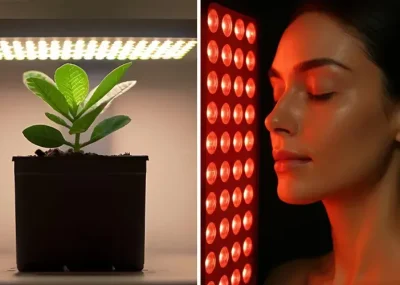
Can You Use a Grow Light for Red Light Therapy? What to Know
Grow lights may produce red wavelengths used in photobiomodulation, but that does not make them equivalent to red light therapy devices. Learn what to check for wavelength, irradiance, dose, heat, and safety.
READ REVIEW
Can a Flashlight Replace Red Light Therapy? What the Science Says
Find out whether a regular flashlight can deliver therapeutic light, how it compares with purpose-built RLT devices, and what to look for when choosing an affordable option.
READ REVIEW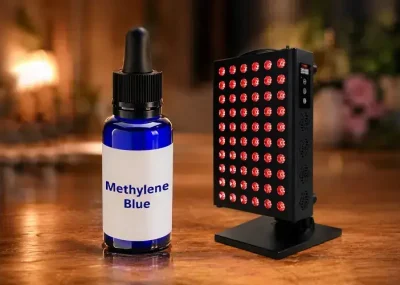
Methylene Blue and Red Light Therapy: Potential Benefits, Mitochondrial Effects, and Safety
Explore the science behind combining methylene blue with red light therapy, including mitochondrial mechanisms, current research, potential benefits, medication interactions, and important safety considerations.
READ REVIEW