

You’ve probably heard about the connection between the brain and the gut, and how it affects mood, focus, and energy. It’s a fascinating topic that continues to gain attention in both science and wellness circles.
One person exploring this connection through light-based science is Sarah Turner, a neuroscientist known for her work in red light therapy. Her approach focuses on how targeted light can influence both brain and gut function together, an area that’s often overlooked.
This article examines Turner’s perspective on the brain–gut axis and how her CERA System aims to address it through red and near-infrared light technologies. We’ll also discuss what red light therapy is, how it works, and what this connection could mean for brain and gut health.
Understanding the Brain–Gut Axis
The brain–gut axis refers to the communication network that connects your brain and digestive system. It involves the brain, the gut, and the trillions of microbes living in the intestines. This two-way connection helps regulate digestion, mood, and even cognitive function.
At the core of this link is the vagus nerve, a pathway that connects the brain and the gut. Hormones and neurotransmitters also play a part, allowing the two systems to influence each other in real time.
When this communication is balanced, both mental and physical processes tend to function more smoothly. But if it’s disrupted, it may contribute to symptoms such as low energy, brain fog, or digestive discomfort. Understanding this link has helped researchers explore new ways, such as light-based therapies, to support both the mind and body simultaneously.
Sarah Turner: From Pharma to Photobiomodulation Pioneer
Sarah Turner is a neuroscientist who transitioned from a career in pharmaceutical research to focus on light-based therapies for health and cognition. Her interest in red light therapy began after studying how light interacts with cellular systems, particularly within the brain.
She holds a postgraduate diploma in photobiomodulation from Mêlier University and mentors clinicians on applying red light protocols safely and effectively. Turner’s work highlights how both the brain and gut influence one another through shared communication pathways.
Her main idea centers on targeting these two systems together. She suggests that using dual light therapy that addresses both the brain and the gut simultaneously may improve results compared to focusing on one area alone. This concept forms the foundation for her work with the CERA System, a red light therapy device designed to support synchronized brain–gut balance.
The CERA Light Therapy System: Bridging Brain and Gut
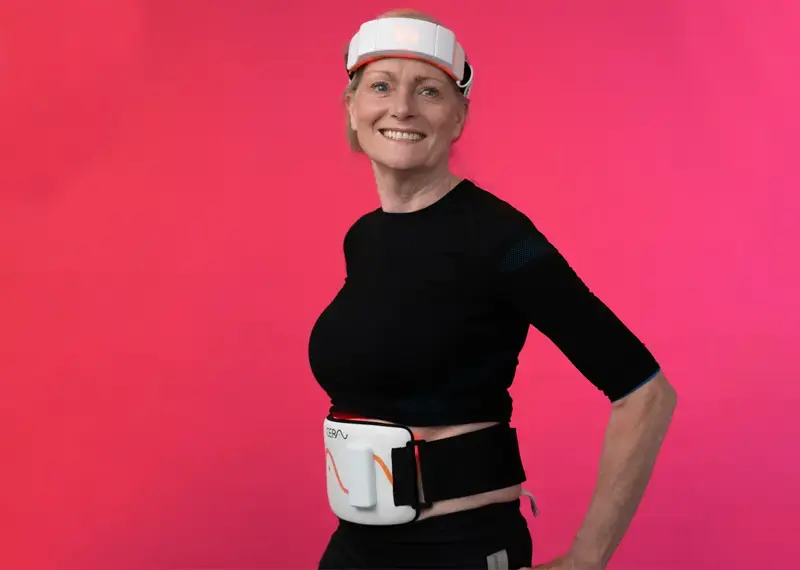
The CERA System is introduced as a red light therapy device developed to connect the brain and gut through synchronized light exposure. It uses a dual setup consisting of a headband and a red/near-infrared (NIR) pad, allowing both regions to be targeted during the same session.
Each part of the device operates with pulsed modes and adjustable frequencies, offering users flexibility in how they apply the light. This makes it suitable for both home and clinical use, offering an adaptable approach to supporting mind-body balance.
According to CeraThrive, the CERA System is FDA-listed (Class II exempt) for general therapeutic purposes. It is not designed to diagnose or treat specific health conditions. Still, it is marketed as an innovative tool that may encourage communication between the brain and gut, two systems that work closely to influence mood, focus, and energy.
Advertisement
*All individuals are unique. Your results can and will vary.
What Is Red Light Therapy (Photobiomodulation)?
Red light therapy, also known as photobiomodulation, involves exposing the body to low levels of red and near-infrared light. These wavelengths are absorbed by cells to help stimulate natural biological processes, particularly those related to energy production.
This approach is based on the idea that light interacts with mitochondria, the part of the cell responsible for generating energy. When exposed to specific wavelengths of light, mitochondria may produce more cellular energy, supporting recovery, balance, and function across different tissues.
The concept is not new. Red light therapy has been used for decades in various settings, from cosmetic applications to physical therapy. Its potential uses have since expanded to include cognitive and gut-related areas, as interest grows in how light may influence the body’s internal systems without drugs or invasive methods.
How Light Influences Brain and Gut Health
Light exposure has been found to affect the brain and gut through several interconnected processes that involve cells, nerves, and microbial activity. The CERA System focuses on this connection by applying red and near-infrared light to both regions at once.
One way light may help is by modulating the microbiome. The gut contains a diverse community of bacteria that influences digestion, mood, and immune response. Light exposure can indirectly affect these microbes by improving cellular energy and reducing oxidative stress in surrounding tissues, creating a more balanced environment for gut function.
Another key process is neural signaling. Red light therapy may support nerve activity through the vagus nerve, helping regulate communication between the gut and brain. This interaction contributes to better coordination of mood, energy, and digestion. To understand more about how targeted light exposure supports cognitive performance and neurological balance, explore our guide on Red Light Therapy for Brain.
Lastly, light can have systemic effects throughout the body. Increased circulation, improved oxygen flow, and reduced inflammation may benefit multiple organs, not just the targeted area. This broader influence is part of why light therapy is being studied for its potential to support both brain and gut performance.
Scientific Insights: Wavelengths, Water, and Brain Waves
Scientific interest in red light therapy continues to grow beyond its early focus on mitochondria, as researchers now explore how light affects the brain’s electrical activity and the structure of water inside the body. These expanding insights help explain how the CERA System may influence both the brain and gut together.
Different wavelengths, notably 630 nm, 850 nm, 940 nm, and 1070 nm, are used for their ability to penetrate the skin and underlying tissues. Each wavelength penetrates to a different depth, allowing energy to interact with cells involved in oxygen use, blood flow, and tissue repair.
Light also interacts with cellular water, potentially altering how energy moves within cells. This change can improve hydration and signal efficiency, both of which are important for communication between organs.
Another area of exploration involves pulsing frequencies. Researchers suggest that rhythmic light patterns may synchronize with brain wave cycles, supporting calmness, focus, or alertness. These findings continue to shape how red and near-infrared light are studied for both cognitive and gut-related applications.
Benefits of Red Light Therapy for Gut and Brain Health
Red light therapy may influence both mental and physical functions through its interaction with brain and gut pathways. Its potential benefits include the following:
- Supports Cognitive Clarity
Light exposure may improve blood flow and oxygen delivery to brain cells, helping support clearer thinking, mental focus, and sustained alertness. This can contribute to better cognitive performance over time. - Promotes Balanced Mood
Stimulating the vagus nerve through light exposure may help regulate communication between the brain and gut. This balance can encourage calmer moods and more stable emotional responses. - Encourages Gut Function
Red and near-infrared wavelengths may support digestion by improving circulation and reducing oxidative stress. These effects can contribute to a healthier gut environment and smoother digestive activity. - Aids Cellular Recovery
Light interaction with mitochondria may increase cellular energy and repair efficiency. This process helps tissues recover from stress and maintain normal physiological function. - Improves Energy Regulation
Consistent use of red light therapy may support energy balance across multiple systems. This can help sustain focus, physical endurance, and general vitality throughout the day.
Practical Tips for Using Red Light Therapy
Getting started with red light therapy is simple, but understanding how to use it correctly can make the experience more effective and comfortable.
Here are some tips to help you get the most from your sessions:
- Start with shorter sessions: Begin with 5 to 10 minutes per area to allow your body to adjust to the light. Gradually increase the duration as you become more comfortable.
- Be consistent: Using the device regularly rather than occasionally may help achieve more noticeable results. Routine exposure helps maintain cellular energy activity.
- Follow device guidelines: Always read the manufacturer’s instructions before use. The CERA System includes a headband and body panel, each with recommended session times and placement details.
- Use a relaxed setting: Choose a quiet, comfortable space where you can sit or recline during sessions. This promotes relaxation and focus while using the device.
- Avoid overuse: More light is not always better. Allow adequate time between sessions to let your body respond naturally to the treatment.
Future Directions in Red Light and Wellness
Interest in red light therapy continues to grow as researchers explore how light affects the body beyond surface-level benefits. Future directions may involve deeper studies into how specific wavelengths influence the brain–gut axis, with attention on energy transfer, neural communication, and microbiome activity.
Scientists are also examining how light interacts with cellular water and brain wave activity, as these mechanisms may hold clues to how the body maintains internal balance. Understanding these interactions could lead to more refined light applications that align with natural biological rhythms.
As research advances, red light therapy may evolve toward personalized protocols based on individual response patterns. This shift reflects a broader scientific goal to integrate light-based approaches into preventive and restorative health practices in a measured, evidence-based way.