


Overview
Knee pain is one of the most common reasons people turn to red light therapy at home – and for good reason. Whether it’s osteoarthritis wearing down cartilage, post-workout inflammation, ligament strain, or chronic joint stiffness that won’t settle, millions of people are discovering that photobiomodulation offers a non-invasive, drug-free path to lasting relief.
But not every device marketed for knee pain actually delivers. Poor fit, weak irradiance, and missing certifications are common problems in this category. This guide cuts through the noise and covers the 10 best red light therapy for knee pain devices of 2026 – each reviewed for wavelength accuracy, output, anatomical fit, safety certifications, and real user results.
⭐ Our Top Pick
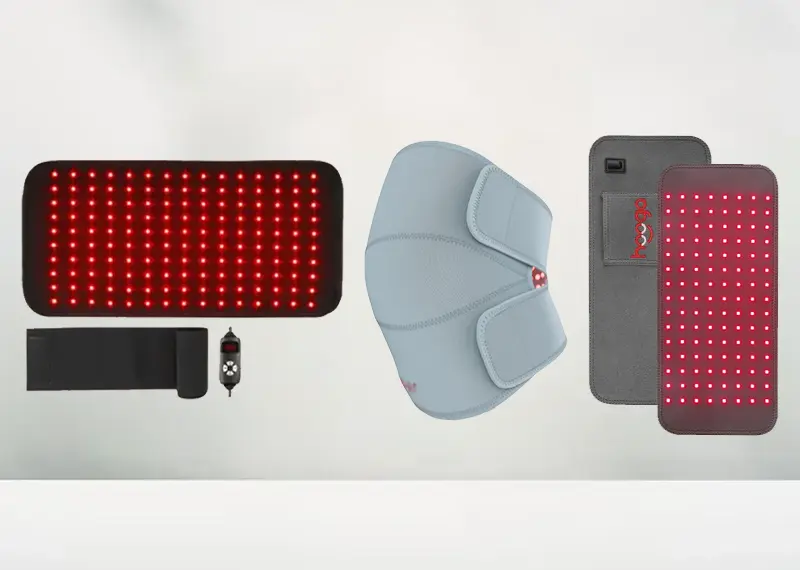
After reviewing every device on this list for fit, output, certifications, and ease of daily use, the Novaa Knee Ultra by NovaaLab is our number one pick for 2026. Its patented TotalKnee360® design wraps the front, back, and sides of the joint simultaneously – no repositioning, no guesswork – with four therapeutic wavelengths, a rechargeable battery for cord-free sessions, and a 60-day risk-free trial.
Does Red Light Therapy Work for Knee Pain?
Red light therapy – clinically known as photobiomodulation (PBM) – uses specific wavelengths of red and near-infrared light to stimulate repair at the cellular level. When these wavelengths reach the knee joint, they activate cytochrome c oxidase inside the mitochondria, increasing ATP production while reducing the inflammatory cytokines responsible for cartilage breakdown, swelling, and chronic pain.
The clinical research for knee pain is substantial. A 2024 systematic review and meta-analysis covering 10 RCTs and 542 knee osteoarthritis patients found that PBM produced significant reductions in both pain and disability compared to placebo. A 2024 network meta-analysis published in Aging Clin Exp Res. confirmed LLLT was significantly superior to sham treatment for knee pain relief (SMD = 0.96), with 785–850nm wavelengths ranking highest for effectiveness. A 2025 RCT demonstrated significant improvements in both VAS pain scores and KOOS functional outcomes versus placebo. An umbrella review of 204 RCTs found moderate-certainty evidence for PBM reducing knee osteoarthritis disability (eSMD 0.65).
According to Dr. Michael Hamblin, a leading photobiomodulation researcher at Harvard Medical School, red and near-infrared light therapy works by stimulating mitochondria to produce more cellular energy, reducing oxidative stress and modulating inflammatory pathways – making it one of the most well-supported non-invasive options for musculoskeletal pain management.
Best Red Light Therapy for Knee Pain Devices – At Glance
![Novaa Knee Ultra]() Best Dedicated Knee Wrap for Full 360° Joint CoverageNovaa Knee UltraGo to Review
Best Dedicated Knee Wrap for Full 360° Joint CoverageNovaa Knee UltraGo to Review- At Official Website
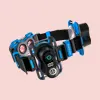
![Hooga Red Light Therapy Belt]() Best Rechargeable Multi-Area BeltHooga Red Light Therapy BeltGo to Review
Best Rechargeable Multi-Area BeltHooga Red Light Therapy BeltGo to Review- At Official Website
![Glokore Red Light Therapy Wrap]() Best Versatile Wrap at an Accessible PriceGlokore Red Light Therapy WrapGo to Review
Best Versatile Wrap at an Accessible PriceGlokore Red Light Therapy WrapGo to Review- At Official Website
![Bestqool Red Light Therapy Belt]() Best Compact Travel-Friendly BeltBestqool Red Light Therapy BeltGo to Review
Best Compact Travel-Friendly BeltBestqool Red Light Therapy BeltGo to Review- At Official Website
![Light Therapy X]() Best Entry-Level Belt with 180-Day GuaranteeLight Therapy XGo to Review
Best Entry-Level Belt with 180-Day GuaranteeLight Therapy XGo to Review- At Official Website
![FlexBeam - Recharge Health]() Best Premium Portable Wearable, IEC 60601 CertifiedFlexBeam – Recharge HealthGo to Review
Best Premium Portable Wearable, IEC 60601 CertifiedFlexBeam – Recharge HealthGo to Review- At Official Website
![Mito Red Light Advanced Belt (MitoQUAD)]() Best Medical-Grade Belt, Highest LED Chip CountMito Red Light Advanced Belt (MitoQUAD)Go to Review
Best Medical-Grade Belt, Highest LED Chip CountMito Red Light Advanced Belt (MitoQUAD)Go to Review- At Amazon
![Kineon MOVE+ Pro]() Best LED + Laser Hybrid for Deepest Joint PenetrationKineon MOVE+ ProGo to Review
Best LED + Laser Hybrid for Deepest Joint PenetrationKineon MOVE+ ProGo to Review- At Amazon
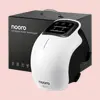
![Nooro Knee Massager]() Best 3-in-1 Knee Device – RLT + Heat + MassageNooro Knee MassagerGo to Review
Best 3-in-1 Knee Device – RLT + Heat + MassageNooro Knee MassagerGo to Review- At Amazon
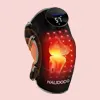
![HALIDODO Red Light Therapy Knee Brace]() Best Budget Wireless RLT + Vibration BraceHALIDODO Red Light Therapy Knee BraceGo to Review
Best Budget Wireless RLT + Vibration BraceHALIDODO Red Light Therapy Knee BraceGo to Review- At Amazon
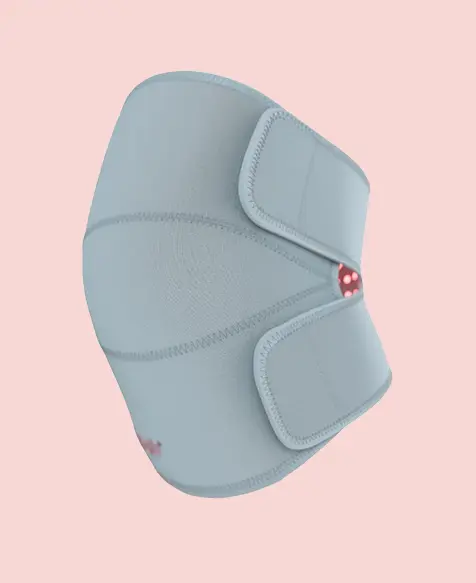
1. Novaa Knee Ultra – NovaaLab
Best For: Full 360° Knee Joint Coverage – Dedicated Knee Wrap for Osteoarthritis & Recovery
Features: TotalKnee360® simultaneous anterior, posterior and lateral coverage, 96 high-powered LEDs, four therapeutic wavelengths (630nm / 660nm / 830nm / 850nm), 6000mAh rechargeable battery (2 hours continuous), static and pulse therapy modes, FDA registered, third-party lab verified wavelength accuracy, HSA/FSA eligible, 60-day risk-free trial, warranty extendable to 3 years
Price: ~$269.90

Pros & Cons
Pros
- Simultaneous 360° joint coverage – no repositioning needed
- 4 wavelengths including 830nm – broader therapeutic spectrum than most wearables
- Fully rechargeable – completely cordless during sessions
- FDA registered with third-party verified wavelength and output data
- 60-day risk-free trial and warranty extendable to 3 years
Cons
- Designed exclusively for the knee – not repositionable to other body areas
More to Know
User Jessica M. explains:
I’ve been dealing with osteoarthritis for 15 years and was always told there’s no fixing me. I took a chance on the Novaa Knee Ultra and already have hope for the future. After 3 weeks of daily therapy, my knee is pain-free and the swelling is half what it was. Nothing has helped the inflammation for years until this.
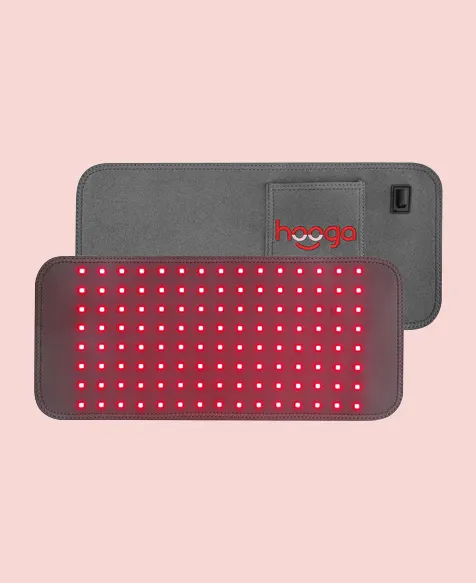
2. Hooga Red Light Therapy Belt
Best For: Rechargeable Multi-Area Wearable Belt – Trusted Brand for Daily Knee & Joint Recovery
Features: 405 triple-chip diodes (1,215 total LED chips), 660nm + 850nm dual wavelengths (1:2 ratio), irradiance over 70 mW/cm² at surface, 15,000mAh rechargeable battery (~150 min continuous), three modes (Red / NIR / Red+NIR), 10Hz pulse mode, adjustable brightness 20–100%, 1–20 min timer, CE and RoHS certified, 60-day trial, 1-year warranty, HSA/FSA eligible
Price: $299
Pros & Cons
Pros
- 1,215 total LED chips – high-density output for the price
- 150-minute battery life – longest cordless run time on this list
- Pulse mode + adjustable brightness – meaningful session customisation
- Includes both portable battery and plug-in supply – dual-use flexibility
Cons
- Not a dedicated knee device – generic belt format requires careful positioning around the joint
More to Know
User Craig C. explains:
I purchased to treat arthritis in my hands and it helped me tremendously. I do a daily treatment and the pain is gone. I can’t recommend Hooga enough – great bang for your buck and the customer service is phenomenal.

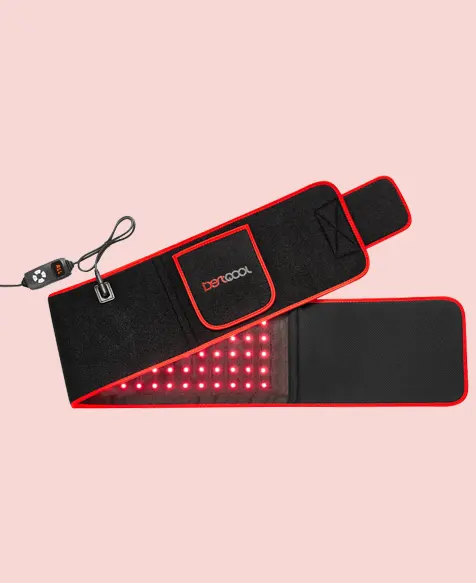
3. Glokore Red Light Therapy Wrap
Best For: Versatile Wearable Wrap – Multi-Area Pain Relief and Muscle Recovery at an Accessible Price
Features: 240 medical-grade LEDs (120 × 660nm + 120 × 850nm), equal 1:1 wavelength ratio, 17.7″ × 8.3″ flexible wrap surface, 5 intensity levels, 2 pulse modes (10Hz + 40Hz), adjustable strap system, FDA cleared, CE and RoHS certified, 90-day money-back guarantee, 50,000+ hour LED lifespan, 1.3 lbs
Price: ~$109.99
Pros & Cons
Pros
- Dual pulse modes (10Hz + 40Hz) – more protocol control than most budget wraps
- 240 LEDs across 17.7″ – above-average coverage for the price
- FDA, CE, RoHS certified – solid safety credentials at an accessible price point
- 90-day money-back guarantee – low financial risk for first-time buyers
Cons
- Corded only – no rechargeable battery option
- Independent irradiance data not published – based on brand-claimed specs only
More to Know
User Lisa J. explains:
I use the Glokore Red Light Therapy Wrap after every workout and it has made a real difference in my muscle recovery. Soreness that used to last days is gone overnight!
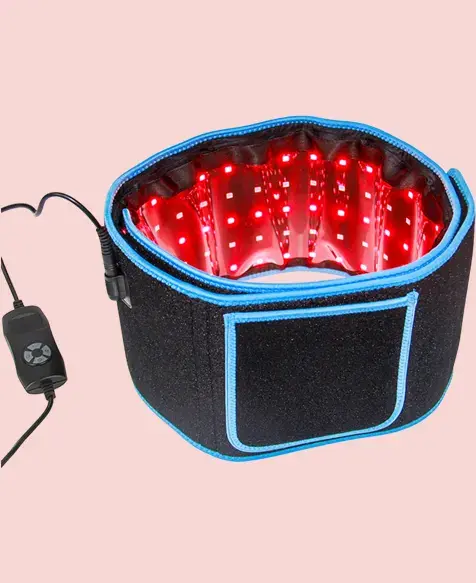
4. Bestqool Red Light Therapy Belt (Redot S)
Best For: Lightweight Compact Belt – Travel-Friendly Daily Knee Treatment with ETL Certification
Features: 105 triple-chip LEDs, 660nm + 850nm dual wavelengths, 4 therapy modes (Red / NIR / Both / Pulse), 4 intensity levels, built-in auto-off timer, under 1 lb, FDA, CE, ETL and RoHS certified, 1-year warranty, FSA/HSA eligible
Price: $299.99
Pros & Cons
Pros
- Under 1 lb – most portable certified belt on this list
- ETL certification – independently verified North American electrical safety standard
- 4 modes including pulse – surface and deep-tissue protocol flexibility
- Auto-off timer for safe, hands-free sessions
Cons
- Corded only – no rechargeable battery
- Smaller coverage area than full-size belts – suited to single targeted area
- Independent irradiance data not published for this specific model
More to Know
User David K. explains:
I use it at my desk every morning for 15 minutes on my knee – no hassle, no setup. You can really feel it working after a few weeks. The compact size is a huge advantage for travel.
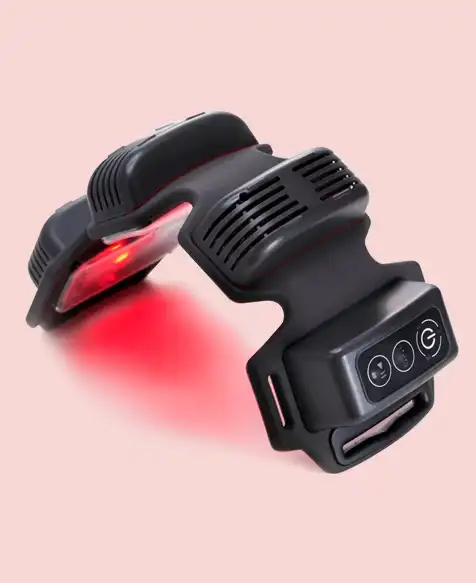
5. Light Therapy X
Best For: Entry-Level Wearable Belt – Lowest Financial Risk with 180-Day Money-Back Guarantee
Features: 660nm + 850nm red and near-infrared dual wavelengths, flexible wearable wrap/belt format, 15–30 minute recommended session times, lightweight and portable design, 180-day money-back guarantee – the longest return window on this list
Price: $248
Pros & Cons
Pros
- 180-day money-back guarantee – longest and lowest-risk entry point on this list
- Simple plug-and-use design – no setup or learning curve
- Affordable price point for first-time buyers exploring red light therapy
Cons
- LED count, irradiance, and certifications not independently published
- No pulse mode disclosed – continuous output only
- Limited brand history compared to established names on this list
- Corded only – no rechargeable option
More to Know
User Amanda R. explains:
I was hesitant to try red light therapy but the 180-day guarantee made the decision easy. I’ve been using it on my knee for 6 weeks and my morning stiffness has noticeably improved. Really glad I gave it a chance.
6. FlexBeam – Recharge Health
Best For: Premium Doctor-Developed Portable Wearable – IEC 60601 Medical Standard, 5-Year Warranty
Features: 3 flexible pods (2 NIR + 1 red LED per pod), 630nm red + 810–845nm NIR wavelengths, ~110 mW/cm² irradiance at contact, 5.9W total optical power, 3 preset therapy protocols, IEC 60601-1 medical-grade safety standard, CE, FDA Class II exempt clearance, rechargeable lithium-ion battery (6–8 sessions per charge), 5-year warranty, 60-day money-back guarantee, HSA/FSA eligible
Price: $449
Pros & Cons
Pros
- IEC 60601-1 medical-grade safety standard – strongest certification on this list
- ~110 mW/cm² at contact – high irradiance for a wearable device
- 3 preset protocols – doctor-developed structured treatment
- 5-year warranty – longest on this list
- HSA/FSA eligible
Cons
- Premium price (~$449–$599) – higher than most devices on this list
- 30-day satisfaction trial is shorter than several competitors
- Some users report strap durability concerns with extended long-term use
More to Know
User Sarah M. explains:
I feel like my FlexBeam makes a big difference in my life – I recover faster when I use it to treat knee pain and shoulder pain. I bought my second one recently specifically for my knees ahead of a marathon. It’s become part of my daily routine.
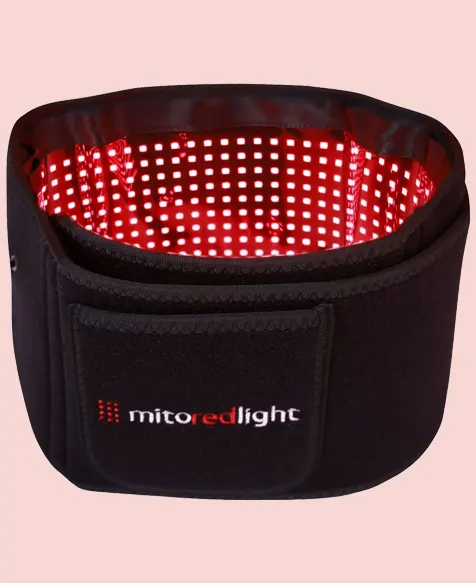
7. Mito Red Light Advanced Belt (MitoQUAD)
Best For: Medical-Grade Wearable Belt – Highest LED Chip Count with UL Certification and 4 Wavelengths
Features: 1,215 total LED chips (405 diodes × TriChip™ technology – 3 chips per diode), 4 wavelengths (630nm, 660nm, 810nm, 850nm), 5 intensity levels, 22″ treatment area within 50″ adjustable belt, 1.2 lbs, UL medical-grade certification, IEC 60601 compliant, CAN/CSA certified, plug-in only (no battery option), 60-day return, 1-year warranty, HSA/FSA eligible
Price: ~$349
Pros & Cons
Pros
- 1,215 total LED chips – highest chip count on this list
- 4 wavelengths including 810nm – broadest spectrum among belts on this list
- UL medical-grade + IEC 60601 + CAN/CSA – strongest belt certification stack
- Third-party diagnostic test data published by Mito Red Light
- HSA/FSA eligible
Cons
- Plug-in only – no battery or cordless option, tethered to wall during sessions
- 1-year warranty shorter than FlexBeam (5-year) or NovaaLab (up to 3-year)
- Corded design limits use during movement or rehab exercises
More to Know
User Michael T. explains:
The MitoQUAD’s quad-wavelength approach delivers noticeable warming and stimulation to the treatment area. I noticed real difference in recovery after heavy lifting weeks – the four wavelengths make a difference you can actually feel compared to two-wavelength belts.
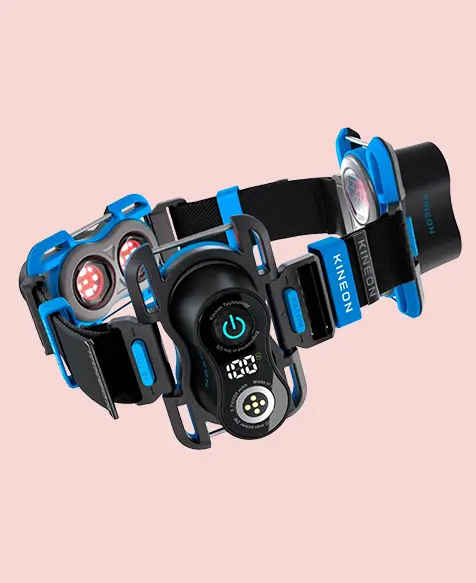
8. Kineon MOVE+ Pro
Best For: LED + Laser Hybrid – Deepest Joint Penetration Available in a Wearable Device
Features: 8 × 20mW red LEDs + 10 × 5mW VCSEL laser diodes per module, 660nm LED + 808nm near-infrared laser, 3 modular pods with Bluetooth sync activation, 5–6cm laser penetration depth, 4 hours battery per module (~24 × 10-minute sessions), repositionable to knee, shoulder, hip, elbow, ankle, FDA cleared, HSA/FSA eligible, 30-day satisfaction trial, peer-reviewed clinical research published
Price: ~$499
Pros & Cons
Pros
- VCSEL laser diodes – 5–6cm penetration, deepest on this list
- LED + laser hybrid – unique clinical technology not found in any other device here
- Bluetooth sync – one button activates all 3 modules simultaneously
- Fully rechargeable – 4 hours per module, completely cordless
- FDA cleared, HSA/FSA eligible, peer-reviewed clinical research published
Cons
- Highest price (~$499) among wearable devices on this list
- 30-day trial is shorter than most competitors on this list
- More complex setup than a simple wrap or belt
More to Know
User Robert D. explains::
After 3 weeks of daily therapy, my osteoarthritic knee is pain-free and the swelling is half what it was. Nothing has helped the inflammation for years until the Move+. I was one step away from surgery – now I’m walking normally again.
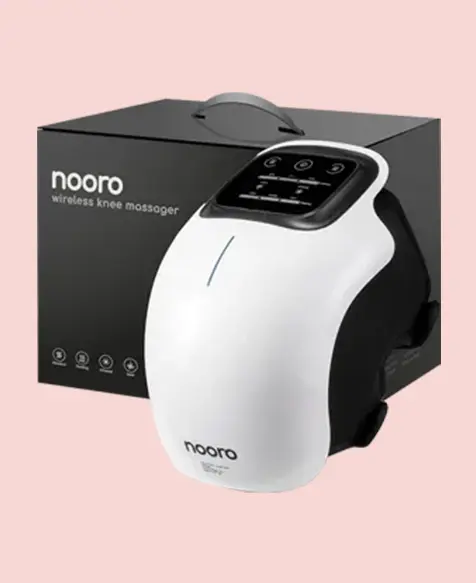
9. Nooro Knee Massager
Best For: 3-in-1 Knee-Specific Device – Red Light Therapy Combined with Heat and Vibration Massage
Features: Three-in-one therapy combining red light (630–850nm), heat therapy, and airbag vibration massage, 3 vibration levels, 3 heat levels, LED touchscreen control panel, ergonomic knee-specific wrap design, adjustable Velcro straps for different knee sizes, fully rechargeable battery, automatic shutoff safety feature, 90-day money-back guarantee
Price: ~$150–$200
Pros & Cons
Pros
- 3-in-1 approach – addresses pain through RLT, heat, and massage simultaneously
- Knee-specific ergonomic design – sits precisely over the joint
- LED touchscreen – simple and intuitive to adjust all settings
- Rechargeable and portable – fully cordless during sessions
Cons
- RLT wavelength irradiance and LED count not independently published
- Massage intensity is relatively mild – may not satisfy users seeking deep-tissue pressure
- No independent safety certifications disclosed
- Some reviews cite fit issues on smaller knees and customer support delays
More to Know
User Jessica W. explains:
My dad has serious knee problems from football injuries in college. This knee massager has done wonders for him – he loves the product and he’s hard to please. The combination of heat and red light is really soothing. I 100% recommend!
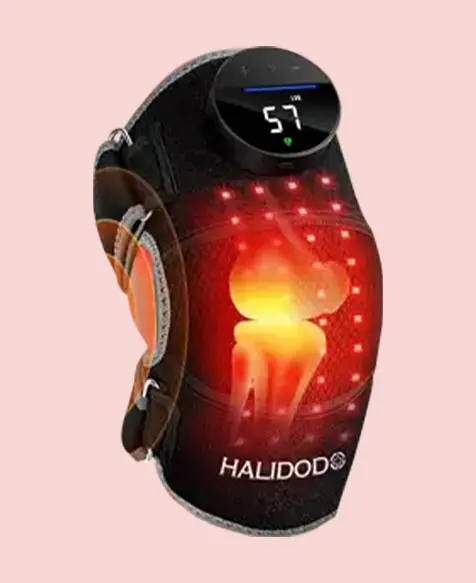
10. HALIDODO Red Light Therapy Knee Brace
Best For: Budget Wireless RLT + Vibration Brace – Most Features at Entry-Level Price Point
Features: 660nm + 850nm dual wavelengths, 5 adjustable heat levels (L1–L5), 3 vibration intensities (M1–M3), 10Hz pulse mode (L6), 2500mAh rechargeable wireless controller (1–2 hrs per charge), ergonomic knee brace wrap with adjustable straps, 4 vibration zones, 90-day return policy, 1-year guarantee
Price: $78.98
Pros & Cons
Pros
- Fully wireless and rechargeable – no cables during treatment sessions
- 5 heat levels + 3 vibration intensities + 10Hz pulse – most settings per dollar on this list
- Knee-specific design with adjustable straps
- 90-day return policy + 1-year guarantee
Cons
- LED count, irradiance, and independent certifications not published
- 1–2 hour battery life requires daily recharging for regular users
- Multi-modal approach is for comfort relief – not a substitute for clinical-grade PBM
- Limited brand history and independent verification compared to established names
More to Know
User Mark T. explains:
The combination of vibration and red light provides relief that feels both immediate and lasting. I tested this after intense leg days and it significantly reduced my recovery time. The wireless design is a total game-changer – I wear it while cooking or watching TV.
Buying Guide – How to Choose the Right Device for Your Knee
Dedicated knee wrap vs. belt vs. multi-modal device: Dedicated knee wraps (Novaa Knee Ultra) and pod systems (Kineon MOVE+, FlexBeam) provide the most precise anatomical fit and consistent joint contact. Belts (Hooga, Glokore, Bestqool, MitoQUAD) are more versatile across body areas but require careful positioning. Multi-modal devices (Nooro, HALIDODO) add heat and massage for a broader comfort experience but are less focused as pure photobiomodulation tools.
Wavelengths: 660nm and 850nm are the most researched for knee pain. Devices adding 810nm and 830nm (Novaa Knee Ultra, MitoQUAD, FlexBeam) cover a broader NIR therapeutic window. The Kineon MOVE+ Pro is the only device on this list with 808nm laser diode penetration reaching 5–6cm depth.
Certifications: FDA registration or clearance, CE, ETL, UL medical-grade, and IEC 60601 are meaningful signals of verified safety and performance. Devices with no disclosed certifications (Light Therapy X, HALIDODO, Nooro) require more caution and realistic expectations.
Wireless vs. corded: Wireless devices allow movement during treatment – ideal for combining therapy with light rehab exercises. Corded devices offer consistent power output with no battery degradation over time.
Budget guide:
- Under $150: Glokore Wrap, Light Therapy X – entry-level RLT, maximum financial protection
- $150–$200: Nooro Knee Massager, HALIDODO – wireless multi-modal comfort
- $200–$300: Bestqool Redot S, Hooga Belt – certified belts with strong specs
- $270–$350: Novaa Knee Ultra (#1 overall), MitoQUAD Belt
- $449–$599: FlexBeam, Kineon MOVE+ Pro – premium clinical-grade wearables
How to Use Red Light Therapy for Knee Pain
Apply the device directly to bare skin or over a single thin layer of clothing for maximum light penetration. For wraps and belts, secure firmly so LEDs maintain close contact with the joint rather than sitting loosely. For best anatomical coverage on the knee, position the device over the patella and surrounding joint line.
Sessions of 10–20 minutes per area are the standard therapeutic window. Start at 10 minutes for the first two weeks and increase gradually. Use 3–5 sessions per week for consistent progress – daily use is safe and may accelerate results for acute injuries. For best results, use post-exercise to support recovery, or in the morning to reduce the stiffness many arthritis sufferers experience on waking.
Results timeline: reduced soreness and stiffness often appear in 1–2 weeks. Meaningful improvements in chronic knee OA pain typically take 4–8 weeks of consistent use. A 2025 RCT published in Lasers in Medical Science found significant improvements in both pain and daily function scores in knee OA patients after a structured PBM protocol versus placebo and control groups.
Frequently Asked Questions
Is red light therapy clinically proven for knee pain?
What wavelength works best for knee pain?
A: The 660nm and 850nm combination is the most researched. Near-infrared at 850nm penetrates deepest into joint tissue. A 2024 network meta-analysis ranked 785–850nm wavelengths highest for knee pain effectiveness. Adding 810nm and 830nm (as in the Novaa Knee Ultra and MitoQUAD) provides broader coverage of the NIR therapeutic window.
Should I use a dedicated knee wrap or a belt?
A: If knee pain is your primary concern, a dedicated knee wrap (Novaa Knee Ultra) or pod system (Kineon, FlexBeam) provides the most anatomically precise coverage and is the better clinical choice. A belt is better if you also want to treat the lower back, thigh, or shoulder. Multi-modal devices (Nooro, HALIDODO) add heat and massage for broader comfort relief.
How long does it take to see results?
A: Most users notice reduced post-exercise soreness and morning stiffness within 1–2 weeks of consistent daily use. Improvements in chronic knee osteoarthritis pain typically emerge after 4–8 weeks of regular 3–5 sessions per week.
Can red light therapy help knee osteoarthritis?
A: Yes. PBM has been shown in multiple peer-reviewed studies to reduce inflammatory cytokines, support cartilage health, and modulate macrophage polarisation in the synovial membrane – all mechanisms directly relevant to osteoarthritis management. It is best used as part of a broader management plan alongside appropriate exercise and medical care.
Is the Novaa Knee Ultra HSA/FSA eligible?
A: Yes. NovaaLab products are HSA and FSA eligible, allowing use of pre-tax health spending dollars – effectively reducing cost by 30–40% depending on your tax bracket.
How many sessions per week are recommended?
A: 3–5 sessions per week is the evidence-supported protocol for most people. Daily use is safe and may accelerate early results. Consistency over 4–8 weeks is the single most important factor for meaningful outcomes.
Conclusion
For anyone dealing with knee pain in 2026 – whether it’s osteoarthritis, post-workout soreness, or chronic joint inflammation – the Novaa Knee Ultra by NovaaLab delivers what no other device on this list can: simultaneous 360° knee joint coverage, four therapeutic wavelengths, a cord-free rechargeable design, and FDA-registered clinical credibility, all backed by a 60-day risk-free trial. It was built for the knee specifically, and that focus shows in every session. Whatever device you choose from this list, the research is clear – consistency matters most. Three to five sessions per week over four to eight weeks is where results become real and lasting.
**This is a subjective assessment based on the strength of the available information and our estimation of efficacy.
*Result may vary. The information contained in this website is provided for general informational purposes only. No medical claims are implied in this content, and the information herein is not intended be used for self diagnosis or self treatment of any condition.
Disclosure of Material connection: Some of the links in the post above are "associate sales links." This means if you click on the link and purchase an item, we will receive commission. Regardless, we only recommend products or services which we use personally and/or believe will add value to our readers. We are disclosing this in accordance with the Federal Trade Commission's 16 CFR, Part 255: "Guides Concerning the Use of Endorsements and Testimonials."
Related Articles
Methylene Blue and Red Light Therapy: Potential Benefits, Mitochondrial Effects, and Safety
Explore the science behind combining methylene blue with red light therapy, including mitochondrial mechanisms, current research, potential benefits, medication interactions, and important safety considerations.
READ REVIEW
PEMF and Red Light Therapy: How They Work, How They Differ, and When a Combined Mat Makes Sense
PEMF and red light therapy work through completely different mechanisms - and that's exactly why they pair well. Here's what each one does, where the evidence is solid, and what to look for in a combined mat.
READ REVIEW
Red Light Therapy for Tendonitis & Wound Healing: What the Evidence Actually Supports
Explore what studies reveal about photobiomodulation for tendon healing, inflammation management, and wound closure.
READ REVIEW