

Okay, so if you’ve been on Instagram or TikTok at any point recently, you’ve definitely seen it. Someone sitting in front of a glowing red panel, looking serene, claiming it’s changed their skin, their hair, their joints, and their life. Red light therapy or photobiomodulation if you want the clinical name, PBM for short, has gone from something you’d only find in a physio clinic to something people are ordering off Amazon and setting up in their bedrooms.
And honestly? The interest makes complete sense. The pitch is incredible. No needles. No pills. Just sit in front of some red light and let it do its thing. Smoother skin. Thicker hair. Less joint pain. Faster recovery. Sign me up, right?
Except not every claim floating around red light therapy is backed by the same quality of evidence. Some of it has real, solid clinical trial data behind it. Some of it is “we saw something interesting in a lab study on cells,” and that somehow became “this cures everything.” There’s a pretty wide spectrum in between.
So that’s what this is. A proper walk-through of what the research actually shows, area by area. The well-supported stuff, the genuinely early stuff, how long results realistically take, and what to think about before you spend money on a device.
What Is Red Light Therapy?
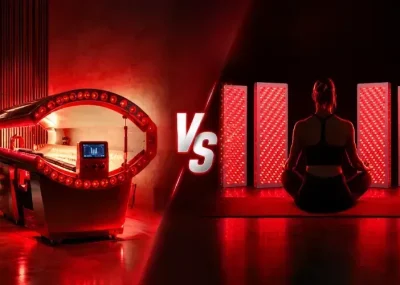
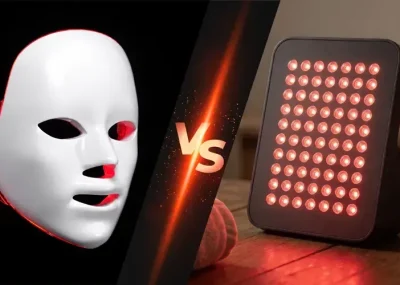
It uses specific wavelengths of red or near-infrared light delivered through LED panels, face masks, handheld wands, or in-clinic laser devices to interact with cells in ways that may support repair, reduce inflammation, and influence cellular energy production.
The leading explanation involves a molecule inside your mitochondria called cytochrome c oxidase. The theory is that it absorbs red and near-infrared light, which then triggers changes in how mitochondria produce energy, affects calcium signaling, and kick-starts some cell repair processes.
That’s the proposed mechanism. It’s genuinely plausible science. But a plausible mechanism isn’t the same thing as proof that every device on the market produces a meaningful benefit in humans. Red light therapy actually has more human data behind it than most wellness trends, which is refreshing. The gap between “biologically plausible” and “demonstrated in real people” still exists, though, and it matters.
Quick breakdown of the wavelengths:
- Red light (around 620–660 nm): studied more for surface stuff, primarily skin
- Near-infrared (NIR) (around 810–850 nm): penetrates a bit deeper, more relevant for joint and muscle work
Here’s what trips people up, though wavelength alone isn’t what determines whether a device works. You can have the “right” wavelength and still get nothing useful out of a device if the irradiance is too low, the coverage area is too small, or the session duration is off. Most consumer devices combine both wavelengths, and output specs vary enormously between brands. That’s a big reason why results from clinical studies don’t automatically translate to whatever panel you bought.
Also, this comes up constantly, so it’s worth saying plainly. Red and near-infrared light are not ultraviolet radiation. UV is what causes sunburn, speeds up skin aging, and raises skin cancer risk. Red light devices don’t emit UV. They won’t tan you. They’re nothing like a tanning bed. They’re also not a sunscreen substitute, and there’s no solid evidence they reverse existing UV damage. If you use one and go outside afterward, you still need sunscreen. That doesn’t change.
Red Light Therapy Benefits for Skin
Fine Lines and Wrinkles
There are clinical studies on these real ones, not just “someone noticed their skin looked better.” Where improvements show up, though, they’re gradual. We’re talking weeks to months of consistent use, not a few sessions. Also worth knowing: professional-grade treatments use higher irradiance than at-home panels. So what happens in a clinic doesn’t automatically predict what your home device will do.
Collagen and Skin Elasticity
There’s research on fibroblast activity and markers tied to collagen synthesis at the cellular level. Some studies report better elasticity and skin density after a course of treatments. But a lab marker going up is a different thing from a visible improvement in your actual skin in the mirror. Results vary quite a bit by skin type, device quality, and how consistently you use it. No specific outcome is guaranteed.
Acne and Inflammation
This is genuinely one of the more interesting areas, and the color of light actually matters here, which a lot of people don’t realize.
Red light is studied for anti-inflammatory effects. Blue light, around 405–420 nm, is what actually targets Cutibacterium acnes, the bacteria involved in breakouts. Completely different mechanism. So when you see a device that combines both, that’s not just marketing.
A 2025 systematic review and meta-analysis in JAMA Dermatology specifically looked at at-home LED devices for acne: six randomized trials, 216 participants. Red, blue, and combination devices all showed meaningful results. We’re talking roughly a 45% reduction in inflammatory lesions and 48% in noninflammatory ones, with significantly better clinician-rated improvement than controls. And combination devices, red plus blue, came out ahead of either alone.
That’s actually solid. But it’s specific to those device types. Don’t stretch it into “red-only devices fight acne bacteria just as well.” They don’t; that’s the blue light’s job.
Redness and Uneven Skin Tone
More mixed than the acne data, honestly. Rosacea redness, post-inflammatory marks, and sun damage don’t all respond the same way. Some pigmentation issues need a completely different treatment approach. If you have melanin-rich skin or you’re prone to hyperpigmentation, be careful: heat or irritation from overuse can sometimes make pigmentation worse, not better. Talk to a dermatologist before diving in if that applies to you.
Red Light Therapy Benefits for Hair Growth
Can Red Light Therapy Help With Hair Loss?
Androgenetic alopecia, the genetic, pattern-based thinning that affects both men and women, is one of the more studied applications, and it’s why the FDA has cleared several at-home devices specifically for hair regrowth. Randomized placebo-controlled trials report real improvements in density and thickness with consistent use.
But this evidence is specific to androgenetic alopecia. It’s not a blanket “red light grows hair” situation. Androgenetic alopecia involves follicles that are still alive but miniaturized, and red light appears to help those. Autoimmune hair loss, scarring alopecia, and sudden post-illness shedding involve completely different biology. Same symptom on the surface, very different story underneath.
How Long Could Hair Results Take?
Longer than you want it to. That’s just the honest answer. Hoping to see meaningful change in two weeks will disappoint you not because the device is broken, but because that’s not how hair biology works. Realistically, you’re looking at several months of consistent use, sometimes closer to half a year, before density changes become noticeable. Anyone giving you a specific regrowth percentage is getting ahead of what the evidence actually says.
And if you’re dealing with sudden, patchy, or unexplained hair loss, see a healthcare provider before buying a light. Patchy loss in particular can point to conditions that need an actual diagnosis, not a device.
Red Light Therapy Benefits for Pain and Inflammation
Joint Pain and Osteoarthritis
There’s decent research here. A 2024 meta-analysis of placebo-controlled trials on knee osteoarthritis found a moderate reduction in resting pain versus placebo. Certainty was rated low; results differ by joint, severity, and protocol, but there’s something there.
It’s not a cure. It’s not a replacement for the treatment your doctor has prescribed. The right frame for this is “potential add-on,” not a standalone fix.
Muscle Pain and Recovery After Exercise
Some studies report reduced soreness and fatigue when PBM is used around training. Some find no difference at all. The findings aren’t consistent across different sports or protocols.
Worth separating two different things here: “people felt less sore” has more research support than “tissue repaired faster” or “performance measurably improved.” The first claim has something behind it. The second, honestly, not so much yet.
Tendon and Soft-Tissue Injuries
Research into tendinopathy studies PBM alongside proper rehab, not instead of it. Some trials report modest improvements in pain and function when it’s paired with appropriate physical therapy. It’s not studied to fix a tear by itself. Useful additions to a recovery plan, not the plan itself.
Inflammation
“Red light reduces inflammation” gets repeated like it’s settled science. It isn’t, at least not in that blanket form.
Inflammation isn’t even inherently bad. It’s part of normal healing. Research looks at specific inflammatory markers in specific conditions, not some universal inflammation dial you can just turn down. The honest version: in certain studied conditions, PBM has been linked to reductions in specific markers or symptoms. That’s real. It’s just a lot narrower than what the sweeping claim implies.
Red Light Therapy Benefits for Wound Healing and Tissue Repair
This is actually one of the stronger areas in the research. Studies on chronic wounds, diabetic foot ulcers, and pressure ulcers report faster closure and reduced ulcer area compared to standard care alone. That’s meaningful.
A 2025 expert consensus published in the Journal of the American Academy of Dermatology, with 21 experts reviewing the evidence, concluded that PBM is a safe treatment modality for adults, doesn’t induce DNA damage, and is effective for peripheral neuropathy, androgenetic alopecia, wound ulcers from multiple causes, decubitus ulcers, diabetic foot ulcer pain, and acute radiation dermatitis.
Twenty-one experts agreeing on something is worth paying attention to. But clinical settings use higher-powered, supervised equipment, and those results don’t automatically transfer to a consumer device at home.
PBM is best thought of as a support to proper wound care, not a replacement for it. Infected wounds, deep wounds, or anything that’s not healing the way it should needs a healthcare provider.
Red Light Therapy Benefits for Nerve Pain and Neuropathy
Peripheral neuropathy, the tingling, numbness, burning, or weakness in the hands and feet that often comes with diabetes, is genuinely miserable to live with, and it’s one of the areas PBM research has focused on.
The 2025 expert consensus mentioned above included peripheral neuropathy as a well-supported application. Some trials specifically report reduced pain and improved sensation in diabetic peripheral neuropathy, which is encouraging. But evidence for one type of neuropathy doesn’t automatically extend to all nerve pain. Chemotherapy-related, pinched-nerve, and autoimmune neuropathy are different mechanisms with different underlying causes. The source of the nerve damage matters a lot. And red light therapy should never stand in for getting an actual diagnosis.
Red Light Therapy Benefits for Oral Health
PBM shows up in dental research mostly around pain and inflammation from specific procedures, reducing discomfort after root canal work or managing oral mucositis, the painful mouth sores that can develop during cancer treatment. Dental applications typically use specific wavelengths and professional equipment.
Don’t take that evidence and stretch it into claims about gum disease, tooth regrowth, or fixing receding gums. Different conditions, one of which the research doesn’t support. Whatever benefit red light might offer for oral comfort, it’s supplementary to actual dental care. Brushing, flossing, and regular checkups still do the actual work.
Red Light Therapy Benefits for Brain Health and Cognitive Function
This is simultaneously one of the most exciting and most speculative areas in the whole field. Transcranial photobiomodulation, shining light through the skull via a headset, works on the idea that light can influence mitochondrial activity in brain cells.
A 2025 umbrella review of randomized trials noted cognitive impairment as one of the outcomes with the strongest support among those examined. Here’s the catch, though: even the most promising finding in the review sat within an overall certainty range the researchers themselves rated as very low to moderate. Not high. The best area wasn’t rated as strong evidence.
That doesn’t mean the research isn’t interesting. It is. But “interesting preliminary findings” and “proven treatment” are very different things. A consumer headset doesn’t automatically produce what a clinical device does. And red light therapy is not a proven treatment for dementia, traumatic brain injury, or depression. Those conditions need a neurologist, not a light panel, as the first call.
Other Proposed Red Light Therapy Benefits: What Is the Evidence?
- Thyroid function and hormones: Research is limited and condition-specific, mostly small studies in people with existing thyroid conditions. No solid basis for healthy people applying light over the thyroid as a wellness habit; thyroid disorders need proper medical evaluation.
- Testosterone and reproductive health: Limited, preliminary research, largely small studies or animal models. Too early to call this established; claims that red light reliably raises testosterone or improves fertility are outdated.
- Fat loss and body composition: Research on localized, often laser-based, body-contouring devices measures short-term circumference changes, which don’t necessarily reflect fat loss and can reflect fluid shifts. Red light therapy doesn’t burn substantial fat on its own and isn’t a substitute for nutrition and exercise.
- Energy levels and fatigue: Fatigue has been studied in specific conditions like fibromyalgia, with some trials reporting improved stiffness and fatigue alongside pain, rather than “boosts energy.” No good evidence it reliably increases energy in healthy people; persistent unexplained fatigue warrants a doctor, not a light panel.
- Circulation and blood flow: Some studies show local blood flow changes after exposure in short-term physiological measurements, not proven cardiovascular improvement. Shouldn’t be presented as treatment for poor circulation or vascular disease.
- Sleep and general wellness: The most indirect claims of the bunch. There’s solid research on light exposure and circadian rhythms broadly, but that’s separate from red light therapy specifically, and marketing often blurs the two. Promises of better sleep or whole-body wellness from a device aren’t backed by direct, dedicated evidence yet.
How Strong Is the Evidence for Red Light Therapy Benefits?
A summary table will help readers compare the different claims and improve the article’s usefulness.
| Potential benefit | Evidence summary to investigate |
|---|---|
| Fine lines and skin texture | Some clinical support; results vary by device and protocol |
| Acne | Evidence for certain red and blue LED devices; do not generalize to red-only devices |
| Pattern hair loss | Clinical evidence exists for some devices; outcomes vary |
| Joint pain and osteoarthritis | Mixed evidence, with some positive findings for specific outcomes |
| Exercise recovery | Mixed results across protocols and performance measures |
| Wound healing | Support for selected clinical applications; medical context matters |
| Peripheral neuropathy | Evidence supports further consideration for specific applications, not every cause of nerve pain |
| Oral health | Condition-specific research; not a substitute for dental care |
| Cognitive function | Emerging evidence; certainty varies |
| Thyroid function and testosterone | Limited evidence for broad consumer-use claims |
| Fat loss | Insufficient basis for presenting red light therapy as a weight-loss treatment |
| General energy and circulation | Evidence depends on the specific outcome; broad claims remain uncertain |
How Long Does Red Light Therapy Take to Work?
Depends on what you’re treating. Short-term outcomes, a pain score, and a fatigue measure can shift within days or a few sessions. Longer-term changes like hair density or skin texture generally take weeks to months. Most clinical protocols for skin and hair run around 8 to 12 weeks. If results aren’t showing after a fair trial, the answer isn’t necessarily more exposure; some research suggests exceeding studied doses can blunt the benefit. Reassess against the device’s actual specs, or talk to a professional, rather than pushing harder.
How to Use Red Light Therapy?
Choose a device for your intended use
Panels, masks, wands, and targeted pads suit different goals; a face mask won’t help a stiff knee. Look past marketing to the specs: wavelengths, irradiance (mW/cm²), treatment area, and safety instructions, including eye protection. More LEDs or a flashier output number don’t automatically mean better results; fewer, well-calibrated wavelengths at an appropriate dose can outperform a device spreading energy thin.
Follow the manufacturer’s instructions
Follow the recommended distance, duration, and frequency; no universal schedule fits every device and condition. Resist increasing exposure to speed things up; exceeding the studied dose doesn’t reliably help and in some research is tied to reduced benefit.
Be consistent and track results
Pick one outcome that matters and track it; comparable photos or notes give an honest read on whether anything’s changing. If symptoms persist despite consistent, correct use, talk to a healthcare professional rather than continuing indefinitely.
Side Effects and Safety Considerations
Generally well tolerated in studied settings, though “well tolerated in studied settings” is more honest than “completely safe,” and data varies by device and use. Most reported issues are mild and temporary: redness, irritation, and discomfort at the site.
Eye safety matters. Some higher-powered panels can be bright enough that eye protection is recommended near the face; check your device’s guidance rather than assuming it’s fine.
People with photosensitivity conditions or taking medications that increase light sensitivity (certain antibiotics and acne medications) should check with a clinician first. People with darker skin tones or a history of hyperpigmentation may need extra care, since skin’s response to light and heat varies.
Safety depends heavily on the specific device and application; a treatment being safe for acne doesn’t mean it’s safe for every other use at every dose. As the American Academy of Dermatology notes, researchers study different devices and design studies to answer different questions, meaning results from different studies can’t be directly compared, which makes it hard to generalize safety across the whole category as one uniform product.
Frequently Asked Questions
Does red light therapy actually work?
How often should you use it?
How long until you see benefits?
Is it safe to use every day?
Can it replace medication or medical treatment?
Is near-infrared light better than red light?
Are the benefits permanent?
Conclusion: Which Red Light Therapy Benefits Are Worth Considering?
Red light therapy has some genuinely well-supported applications for acne (particularly combination devices), pattern hair loss, certain wound-healing and pressure-ulcer uses, and specific pain conditions. Multiple clinical trials, and in some cases formal expert consensus panels, back up real benefit in those areas.
At the same time, popular claims like testosterone boosts, meaningful fat loss, and guaranteed energy increases rest on thinner, more preliminary evidence, often from small studies or animal research. That doesn’t mean those effects don’t exist; it means the research isn’t there yet to confidently say they do.
If you’re considering red light therapy, pick a device suited to your actual goal, follow its specific instructions rather than winging it, and give it a fair, consistent trial before judging results. For any diagnosed medical condition, loop in a qualified healthcare provider rather than treating a light panel as your primary plan. It’s a genuinely promising area of ongoing research for a specific set of applications, not a miracle cure for everything, and realistic expectations will serve you better than chasing the longest benefits list you can find.