

 Fact Checked

Editor's Rating
Comfytemp Red Light Therapy Belt

The Comfytemp red light therapy belt is a device designed to offer pain relief and aid in muscle recovery. This wearable red light therapy belt claims to emit red 660nm and near-infrared 850 light wavelengths believed to penetrate deep into the muscle tissue, joint, and bone to reduce inflammation and increase blood flow. It targets areas like the waist, abdomen, lower and upper back, and muscles.
Comfytemp red light therapy belt for back pain may not be the best advanced device, but it’s budget-friendly and accessible. There is generally a growing demand for wearable red light therapy belts, especially for individuals who value comfort. Comfytemp red therapy belt is among the list of consumer marketable devices that allow you to enjoy an unforgettable experience from the comfort of your home or office.
This Comfytemp red light therapy review is aimed at increasing your understanding of this LED device. Included in the review are the device’s specs and rating, how it works, the purported benefits, possible side effects & safety concerns, and customer reviews on the product’s quality, efficiency, and safety to help you make an informed purchase decision.
What Is the Comfytemp Red Light Therapy Belt?
Comfytem red light therapy belt is a device featuring 660nm and 850nm wavelengths that penetrate deeper into the muscle tissue, joint and bone to deliver healing. It also comes with a wrap-style LED belt to allow you adjust the device to your comfort and a 20-minute timer off for convenience. Comfytemp LED belt is suitable for use by athletes, individuals battling chronic pain, and those engaged in manual labor.
The manufacturer uses a third-party retailer to sell the product. It is sold primarily via the Amazon marketplace. The red light therapy waist belt is not on the FDA-cleared Amazon listing, so it is not clear if it is an FDA-cleared device or not. The material used in building this infrared lightweight belt is not clearly stated, but from the description, it appears to be made from a light material, which explains its portability feature.
How Does It Rate?
Comfytemp Red Light Therapy Belt

 3.8/5Quality
 3.8/5User Friendly
 3.9/5Value for Money
 3.8/5Customer Satisfaction
Pros and Cons of Comfytemp Red Light Therapy Belt
Pros
- Easy-to-use device ideal for entry-level users, but not performance grade
- Budget-friendly LED device for those working on a budget
- Light and compact, suitable for multipurpose treatment
Cons
- Not ideal for those looking for flexibility during treatment because of the corded feature
- It may have transparency issues.
- Manages mostly mild conditions, not ideal for those looking for clinical results
- May not offer similar results among users
- Heat inconsistency, which may impact the results
Advertisement
*All individuals are unique. Your results can and will vary.
How Does the Comfytemp Red Light Therapy Belt Work?
Comfytemp red light therapy belt claims to use red light of approximately 660nm and near-infrared light of approximately 850nm. Various studies have described red 660nm and near-infrared 850nm as the right wavelengths in photobiomodulation therapy.
Photobiomodulation therapy works to increase energy (ATP), crucial for mitochondrial activity and enhancement of tissue repair and anti-inflammation. According to a publication in Photomedical Laser Surgery, light spectral ranging from 660nm to1300nm is vital for wound healing, tissue repair, and skin rejuvenation. Red 660nm light works on the skin surface while near-infrared 850nm light penetrates deeper to benefit the muscles, joints, and bones.
Generally, all red light therapy devices rely on heat for effective treatment, so if a device’s heat is inconsistent, it may affect the results of the treatment. So, LED devices with clearly specified light wavelengths and a reliable source of power are worth considering if you want to achieve the best infrared therapy for inflammation.
Most consumer-marketed devices like the Comfytemp photobiomodulation belt combine heat function [1], but they still don’t get warm enough for effective treatment, especially the battery-powered ones, the reason why they are good at managing only mild conditions. Again, while they may be clear on the expected session duration, they fail to clarify the frequency of those sessions.
Expert Opinion on the Comfytemp Red Light Therapy Belt
Timothy Demchak, a professor in the department of Applied Medicine and Rehabilitation at Indiana State University, notes that he’s convinced that LED therapy is an effective and safe treatment option for those looking to alleviate pain. He says most of his patients have benefited from treatment with LED therapy devices that he utilizes in his practice.
However, Dr.Pravean Arany, an associate professor of oral biology at the University of Buffalo School of Dental Medicine and former president of the Worked Association for Photobimodulation Therapy, a non-profit organization supporting education, research, and clinical applications for red light therapy, expresses some skepticism. He says that despite thousands of studies, there are still no definitive scientific research-based answers to confirm that red light therapy can indeed alleviate pain. He adds that while some clinical studies show benefits, others don’t.
According to Dr. Arany, to truly confirm that red light therapy works, there is a need for large clinical trial-based evidence with a placebo (fake devices). Unfortunately, no research of that magnitude has been conducted because researchers have yet to find funding for such expensive, large-scale studies.
Generally, most marketed devices lack clinical transparency analysis. Compared with professional-grade panels that are FDA-cleared and transparent with their features and functions, consumer-marketed devices have yet to meet such standards. Most at-home-use devices like Comfytemp LED belt have power density concerns and therefore may be suitable for mild comfort but not for managing chronic pain. Those dealing with severe pain should consider stronger alternatives like clinical-grade devices.
Quick Facts and Technical Specs
| Feature & Details |  |
|---|---|
| Wavelengths | 660nm & 850nm |
| LED Count | 126 pieces |
| Power Source | Adapter |
| Time Setting | 20 minutes timer |
| Adjustable strap length | Size – 50”x8” size & red light coverage area – 22”x8.” |
| Weight | Not provided on Amazon |
| Return policy | 30 days/Replacement | Warranty | Not stated on Amazon |
| Irradiance | Not stated on Amazon |
Health Benefits – What Can You Realistically Expect?
Comfytemp red light therapy claims to offer a number of benefits, including the ones discussed below:
- Back pain relief: The red light belt claims emit red and infrared light that penetrates deeper to reduce pain and inflammation.
- Muscle soreness reduction: The device also purports to emit light that penetrates to the muscle tissues to ease soreness and aid in their quick recovery.
- Circulation support: Treatment with the LED belt claims to allow penetration of light deeper into the tissues to increase blood flow and enhance the natural healing process of the body.
- Inflammation management: The device also helps to emit light that helps in reducing inflammation in the targeted treatment area.
- Post-workout recovery: It also claims to support post-workout recovery by promoting relaxation and comfort.
It is worth noting that the above red light therapy benefits may vary. People have different health needs, which may affect the pattern of the results. The fact that some people are able to experience the above wearable LED therapy benefits doesn’t mean the same will apply to you. So, we recommend approaching it with an open mind that it might work for you or not.
Also, this infrared therapy for back pain belt has been reported to deliver results ranging from mild to moderate. Those with severe conditions should reach out to a physician for specialized treatment services with clinical-grade devices.
Advertisement

*All individuals are unique. Your results can and will vary.
Scientific Evidence Behind Red Light Therapy
A good number of studies have linked the use of red light therapy to pain reduction and recovery. An example of these studies is a publication in the European Journal of Physical and Rehabilitation Medicine, which suggests that application of red light therapy can help promote tissue healing and reduce inflammation, making it ideal for managing conditions such as osteoarthritis or fibromyalgia (chronic and widespread musculoskeletal pain).
Red light therapy of 660nm and near-infrared light is mostly considered effective wavelengths. The red 660nm targets the skin surface, while the near-infrared 850nm penetrates deeper into the muscles and joints to deliver healing. A journal in Frontiers notes that light with certain wavelengths, especially between 6000-1200nm are most effective in activating biological processes at the cellular level to underlie direct red light therapy (photobiomodulation).
However, we cannot ignore limitations in home-device clinical data, like missing information on irradiance data, a very important metric that every LED device ought to clearly state because the irradiance data tells more about the device’s efficiency.
General RLT is supported, but not necessarily for this exact belt, which should be a concern for those considering investing in the Comtyremp belt. Lack of device-specific clinical trials is a big setback because it makes it difficult to validate the benefit claims. What is more worrying is that the available clinical studies mostly refer to specific clinical LED devices as opposed to the belts. All these may leave you wondering if LED therapy belts for pain are really worth investing in.
How To Use the Comfytemp Red Light Therapy Belt Safely
You should start by cleaning and drying the area you are targeting, like the waist, abdomen, shoulder, legs, knees, or hip. Cleaning the area ensures that nothing blocks the light being transmitted. Followed by placing the device directly on the skin to allow effective light penetration.
Once you have placed the device on the targeted area, use the touch buttons to adjust light intensity and treatment time to your preference. The recommended treatment duration is 20 minutes with a frequency of 1 session per day.
For safety purposes, do not exceed the recommended treatment time and frequency. Also, people with pacemakers, light sensitivity issues, and pregnant women should keep off the ComfyTemp red light therapy belt. They are advised to consult with their doctor first for approval before using it.
After the treatment session is over, disconnect the device from power and use a dry cloth to wipe the surface. Use of abrasive cleaning agents or chemicals is not recommended. After cleaning, return the device to its original package and store it in a cool, dry place away from light. To avoid creasing, ensure that you don’t place items on top of it.
Side Effects and Risks
Common side effects include temporary redness, mostly caused by overheating. Eye safety considerations during treatment are important, especially for photosensitive individuals.
Misuse of the Comfytemp red light therapy belt carries potential health risks like severe skin irritation, and therefore, those who overdo the treatment targeting better results may find themselves at a disadvantage. Sticking to the recommended treatment session duration is important in ensuring that you enjoy the treatment benefits while safeguarding your health.
Those with serious pain conditions should consult a physician for specialized treatment instead of relying on consumer-marketed devices because they are not a substitute for medical treatment.
Advertisement
*All individuals are unique. Your results can and will vary.
Real Customer Reviews – What Buyers Are Saying
Users have given mixed views regarding their experience with this device. Some Comfytemp red light therapy reviews were positive, some describing the belt as a lightweight, portable, and easy-to-use device. Others like it for helping ease their pain and giving them the comfort they desire.
Comfortable and Easy to Use
I’ve been using the Comfytemp Red Light Therapy Belt on my lower back after work, and it’s been really comfortable to wear. It’s lightweight, portable, and has helped ease my muscle soreness after regular use. -Andrea J.
Decent Relief, but Heat Could Be Better
The belt is easy to wrap around my waist and convenient for home use. I experienced some pain relief, but the heating felt inconsistent, so my results varied from session to session. -Daniel P.
Negative reviews were mostly complaints touching on the device’s quality and functionality. There are users who felt that the heat released by the belt was inconsistent, and others were concerned with the short cord and weak output that affected comparability and treatment efficiency.
For those who were unsatisfied with the product and initiated a return stated frustration in the whole return process, claiming that there was no way to reach the seller for a refund.
Disappointed with the Build Quality
The Comfytemp Red Light Therapy Belt didn’t meet my expectations. The power cord was too short, the light output seemed weak, and when I tried to return it, I had trouble getting a response from the seller. -Jennifer K.
How Comfytemp Compares to Premium Red Light Therapy Belts
Comfytemp LED belt has good light intensity enough to provide relief from inflammation and pain, but may not be as effective as what premium red light belts may offer. The device also relies on a working wall outlet for power, limiting flexibility during treatment.
When it comes to transparency, Comtytemp does have transparency issues. For instance, information on important features like irradiance is missing, and they are also not clear on the frequency of treatment sessions. Premium red light therapy belts have this kind of information well-stated. For those comparing different wearable options, the USUIE Red Light Therapy Belt is another popular choice designed for targeted pain relief. This soft, adjustable wrap combines red and infrared LEDs and can be used on multiple body areas, including the lower back, shoulders, knees, elbows, abdomen, and thighs, making it a versatile option for at-home therapy.
Also, compared to other premium LED therapy belts that are clear with their warranty period, the Comftytemp LED belt’s warranty information is not clearly stated on Amazon. On brand capability, Comfytemp may be a budget-friendly device, but unfortunately is doesn’t match the standards of premium LED devices in terms of reliability and efficiency. In terms of durability Comfytemp belt still rates slightly below.
With such shortcomings, you might want to think twice before investing in the device. If you are looking for a stronger output or transparency, these might be worth considering:
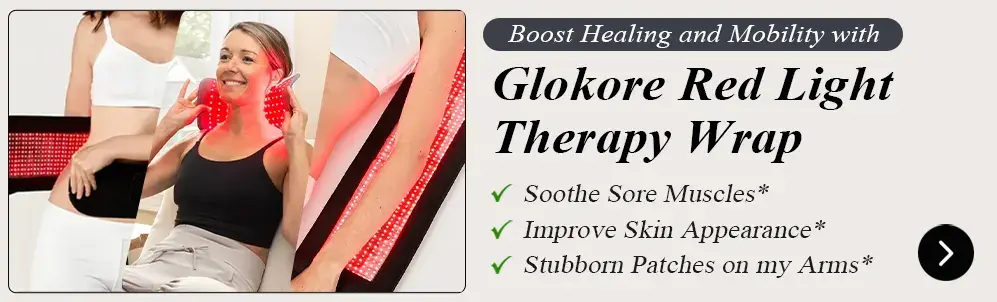
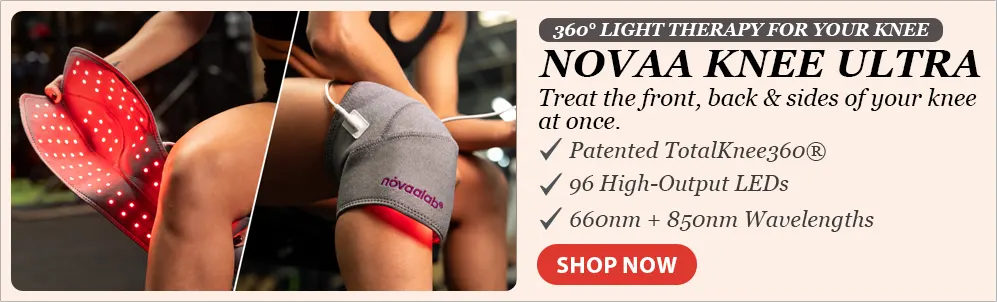
| Product | Novaa Light Pad | Glokore RLT Wrap | Hooga RLT Belt |
|---|---|---|---|
| Best For | Deep muscle recovery | Flexible full-body pain relief | Budget-friendly but established brand |
| Key Advantage | Higher irradiance and clinical positioning | Multi-area wrap with adjustable fit | Better brand reputation in the RLT niche |
| Why It May Be Better | More transparent specs and power data | Easier to wear, adjust, and operate during daily use | More transparent wavelength and power data |
FAQs
Does Comfytemp Red Light Therapy Belt Have a Warranty?
A: Information from different sources shows that the device comes with 2 years warranty. However, on Amazon, the main marketplace where this device is sold has not provided this information. We recommend researching further for accurate information on the product’s warranty.
Can I use Comfytemp Red Light therapy Belt While Sleeping?
A: The device is used while the adapter is connected directly to the power socket, so using it while sleeping may not offer the best treatment experience.
Does Comfytemp Red Light Therapy Belt Really Help With Chronic Pain?
A: Results vary depending on individual needs. But being a consumer-marketed device, it has shown to help with mild to moderate pain only. Those with chronic pain should consider using clinical-grade devices because they are designed for accurate diagnosis and treatment.
Is Comfytemp Red Light Therapy Belt Worth It?
The Comfytemp red light therapy belt is a considerable option for athletes, individuals engaged in manual labor, and those dealing with chronic pain. For safety purposes, pregnant women, those who are sensitive to light, and those with pacemakers should not use the device.
Comfytemp red light therapy is generally budget-friendly but only ideal for use for entry-level users with mild pain conditions. Those with chronic pain may not benefit from this device because its performance level is way below that of clinical devices. Clinic-grade devices are generally designed for accurate diagnosis and treatment and can therefore guarantee real results.




July 9, 2026
Comfortable daily therapy, but the pain relief builds up slowly over time
I bought it for lower back soreness after long workdays. It’s simple to use, and the wrap stays in place comfortably during the 20-minute sessions. My back feels less stiff than before, but the improvement has been gradual rather than dramatic. For mild discomfort, I think it’s worth considering, but don’t expect clinic-level results.
July 1, 2026
Great entry-level option, but chronic pain improvement was limited
I purchased this because I wanted an affordable way to try red light therapy before investing in a more expensive system. It seems to help with muscle recovery after workouts, but I haven’t noticed much difference with older joint pain. The timer feature is convenient, and setup couldn’t be easier. I’d say it’s best suited for beginners.