

Overview
If you’ve spent any time on the wellness side of the internet lately, you’ve probably noticed infrared light therapy popping up everywhere – from physical therapy clinics to Instagram ads to your gym’s recovery room. It’s not just a trend. Infrared light, particularly the near-infrared band, has a real track record for easing joint pain, speeding up muscle recovery, and calming inflammation, and enough of that research is now solid enough that at-home devices have genuinely caught up to what clinics use.
The tricky part isn’t whether infrared therapy works – it’s figuring out which device is worth your money. Panels, wraps, mats, and handhelds all claim similar benefits, but the wavelength, power output, and build quality behind that claim can vary wildly. We put together this guide to cut through that noise: nine devices we think are worth considering in 2026, based on wavelength accuracy, real-world irradiance, and what they’re actually good for.
What Is Infrared Light Therapy?
Infrared light therapy uses wavelengths just beyond what the human eye can see – generally somewhere between 700nm and 1100nm – to reach past the skin’s surface and into muscle, joint, and even nerve tissue. Unlike a heat lamp or a sauna, it doesn’t work primarily through warmth. Instead, the photons get absorbed straight into the cells. That’s what kicks ATP (cellular energy) production into gear and sets off a chain of anti-inflammatory, repair-focused effects.
In practice, most home devices split into two overlapping ranges. Red light (roughly 600–660nm) stays fairly shallow, working on skin and superficial tissue – think collagen support and surface-level healing. Near-infrared light (roughly 800–1000nm) goes considerably deeper, reaching muscle bellies, joint capsules, and nerve tissue, which is why it’s the wavelength range most associated with pain relief and recovery. A lot of the best devices on this list combine both, since surface and depth benefits complement each other in a single session.
“The infrared light therapy technology was originally introduced to help reduce inflammation, treat acne, enhance wound healing, relieve joint pains and inflammation, promote skin rejuvenation, and stimulate hair growth”, says Dr. Nkem Unabo, M.D, M.P.H, a board-certified dermatologist in New York City. She further supports that light therapy devices have been used for decades to treat certain skin conditions, heal scarring, and reduce hyperpigmentation. Now, to get the most benefit, it is advisable to use medical grade infrared light therapy devices.
Our Picks for the Best Infrared Light Therapy Devices
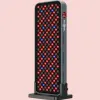
![NOVAA LIGHT SWITCH]() Best Overall for Skin, Pain & RegenerationNOVAA LIGHT SWITCHGo to Review
Best Overall for Skin, Pain & RegenerationNOVAA LIGHT SWITCHGo to Review- At Official Website
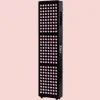
![RLT Home Total Spectrum COMPACT]() Best for Medium Treatment AreasRLT Home Total Spectrum COMPACTGo to Review
Best for Medium Treatment AreasRLT Home Total Spectrum COMPACTGo to Review- At Official Website
![Kiierr RH1000 Red Light Panel]() Best Value Mid-Size PanelKiierr RH1000 Red Light PanelGo to Review
Best Value Mid-Size PanelKiierr RH1000 Red Light PanelGo to Review- At Official Website
![infrared 830 device]() Best for Deep Skin & Body PenetrationInfrared 830 DeviceGo to Review
Best for Deep Skin & Body PenetrationInfrared 830 DeviceGo to Review- At Official Website
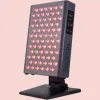
![Hooga Ultra 360]() Best Compact Quad-Wavelength PanelHooga Ultra 360Go to Review
Best Compact Quad-Wavelength PanelHooga Ultra 360Go to Review- At Official Website
![recharge health-flexbeam]() Best Wearable DeviceRecharge Health FlexBeamGo to Review
Best Wearable DeviceRecharge Health FlexBeamGo to Review- At Official Website
![Platinum LED BioMax]() Best for Full-Body Recovery & BiohackingPlatinum LED BioMaxGo to Review
Best for Full-Body Recovery & BiohackingPlatinum LED BioMaxGo to Review- At Official Website
![Bestqool Pro 100]() Best Budget-Friendly PanelBestqool Pro 100Go to Review
Best Budget-Friendly PanelBestqool Pro 100Go to Review- At Official Website
![Infraredi Joint Wrap]() Best for Joint Pain & ArthritisInfraredi Joint WrapGo to Review
Best for Joint Pain & ArthritisInfraredi Joint WrapGo to Review- At Official Website
Our Choices For The Best Infrared Light Therapy Devices
On some social media platforms, you may have come across celebrities like Emma Stone, Kelly Rowland, and Kourtney Kardashian who have been talking about their experiences with medical grade infrared light therapy devices for the face.
That is, far infrared therapy devices have become a popular treatment method commonly used in spas, Physical therapy clinics, aesthetic operations, and other medical operations. The good part is, that you can purchase some of these devices and use them in the comfort of your home.
We have researched and compiled a list of the best infrared light therapy devices that we believe will offer you the best results.
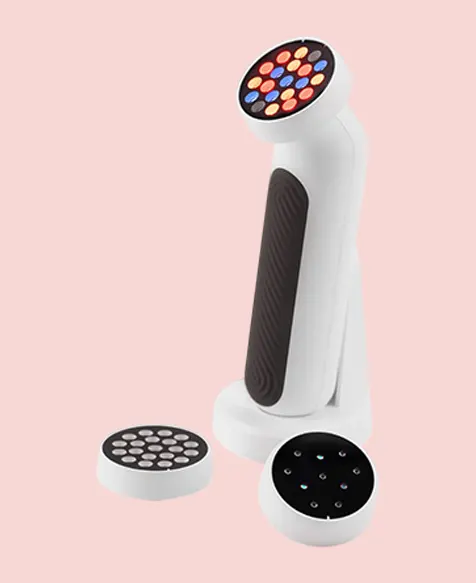
1. Novaa Light Switch
Best For: Skin care, pain relief, and deep cell regeneration
Features: Interchangeable Pain-Relief Head, Extra-Strength Laser Head, and Skin-Perfect Head
Price: $249.90
Pros & Cons
Pros
- Covers skin, pain relief, and regeneration in one compact device;
- Medical-grade strength;
- Easy to use over large areas;
- More cost-effective than buying separate single-purpose devices
Cons
- With six wavelengths and three heads, there’s a bit of a learning curve before you land on the right settings for your specific goal
More to Know

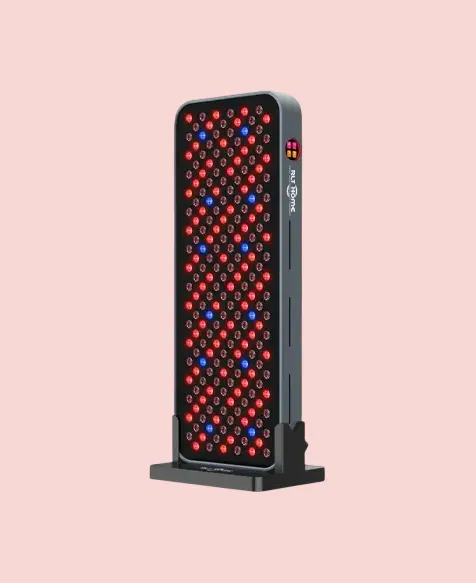
2. RLT Home Total Spectrum COMPACT
Best For: Medium-sized treatment areas, pain relief, muscle recovery, and skin health
Features: 216 LEDs, 7 clinically studied wavelengths, 9 preset therapy modes
Price: $995.00
Pros & Cons
Pros
- 216 high-output LEDs give solid coverage for medium-sized areas;
- Seven wavelengths support pain, skin, sleep, and recovery goals in one device;
- Nine presets plus a fully customizable mode;
- Low-EMF, flicker-free design;
- Touchscreen and remote control
Cons
- Needs dedicated floor or wall space compared to a handheld or wearable
More to Know
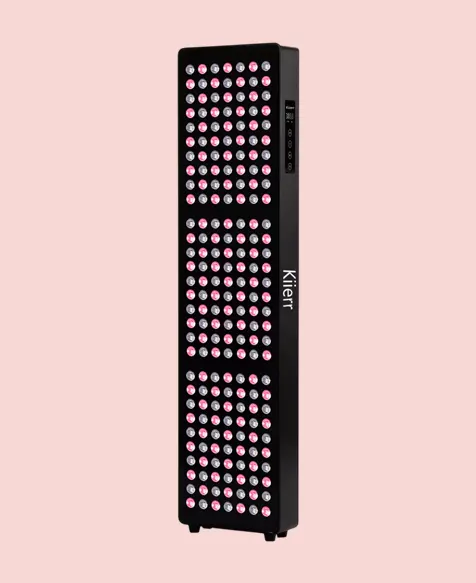
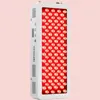
3. Kiierr RH1000 Red Light Panel
Best For: Upper-body treatment – chest, back, and shoulders
Features: Dual-wavelength 660nm red and 850nm near-infrared LEDs, professional-grade output
Price: $899.00 (list $1,299)
Pros & Cons
Pros
- Solid coverage for chest, back, or legs without the bulk of a larger panel;
- Backed by a brand with a long manufacturing track record;
- Straightforward two-wavelength setup that’s easy to use consistently
Cons
- No blue or yellow light options if you’re also chasing acne or broader skin goals;
- Pricing moves around with Kiierr’s frequent promotions, so it’s worth checking the live price before you buy.
More to Know

4. Infrared 830 Device
Best For: Treating skin conditions and relieving pain and inflammation
Features: 830nm near-infrared light, high-power LEDs, 50,000+ hour lifespan, 40° beam angle
Price: $222.24
Pros & Cons
Pros
- The beam angle is uniquely designed for high penetration
- Compact because of the small size of COB LED
- Lower light loss from the lens
Cons
- Ships from the UK, so delivery costs and timelines outside the UK can add up
- As with most single-wavelength devices, results vary more by individual condition than with broader-spectrum panels
More to Know
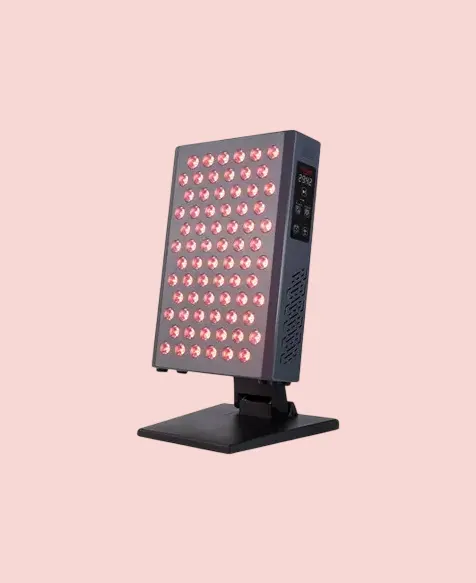
5. Hooga Ultra 360
Best For: Targeted daily sessions – face, neck, shoulders, and joints
Features: 72 quad-chip LEDs delivering four wavelengths from a single diode, touchscreen controls, pulse mode
Price: $399.00
Pros & Cons
Pros
- Four clinically studied wavelengths from every LED, not alternating diodes
- Touchscreen with independent brightness control for red vs. near-infrared
- Adjustable pulse mode (1–9999Hz)
- Backed by Hooga’s 3-year warranty
- Compact enough for a desk or countertop
Cons
- Targeted footprint means it’s built for focused sessions rather than full-body coverage in one go, though it can pair with other Ultra-series panels for a larger setup
More to Know


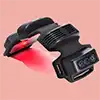
6. Recharge Health FlexBeam
Best For: Pain relief, muscle recovery, and on-the-go energy recharge
Features: Red (660nm) and near-infrared (850nm) wavelengths, 3 light pods, rechargeable battery, built-in cooling fan
Price: $520.84
One customer, Rachael Burford, put it this way: “As someone who plays a physical contact sport and has a history of injuries, the FlexBeam has been so valuable to my recovery. I have had three injuries and FlexBeam accelerated the healing process. I got back on the pitch sooner than I expected.”
Pros & Cons
Pros
- High-quality, durable build; rechargeable and replaceable battery
- Genuinely portable – usable anywhere, anytime
- Wraps around curved body parts a flat panel can’t reach effectively
Cons
- Not recommended for sensitive skin without a patch test first; doesn’t address endocrine-related conditions
More to Know

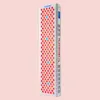
7. Platinum LED BioMax
Best For: Full-Body Recovery and Advanced Biohacking
Features: 7-band R+NIR+ output across five wavelengths, 200 high-power 3-watt LEDs
Price: $1,049
Pros & Cons
Pros
- High irradiance for faster, deeper sessions
- Five clinically backed wavelengths in one panel
- FDA Class II certified with low EMF output
- Modular design lets you add panels later for full-body coverage
Cons
- Priced well above entry-level panels
- The larger footprint isn’t ideal for small apartments or tight storage
More to Know
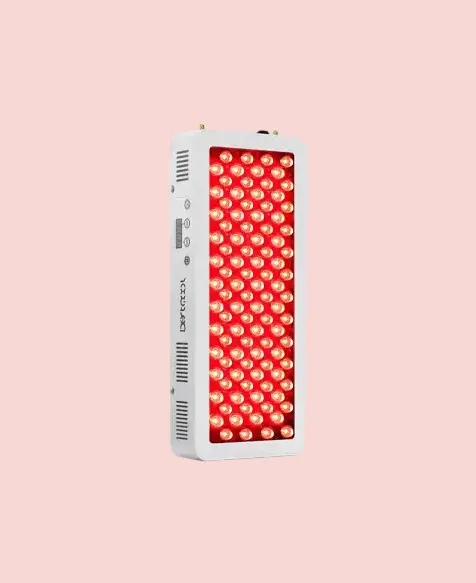
8. Bestqool Pro 100
Best For: Budget-conscious buyers who still want four-wavelength coverage
Features: 100 dual-chip LEDs across four wavelengths, modular/spliceable design, protective goggles included
Price: $319.00
 Read Reviews
Shop Now
Pros & Cons
Pros
- Four wavelengths at a genuinely accessible price point
- Independent red/NIR channel control
- Modular design allows future expansion
- Ships with protective goggles and an extended 3-year warranty
Cons
- Simpler control interface than premium panels – no touchscreen or app
- Best suited to upper-body treatment on its own, with full-body coverage requiring multiple units
More to Know
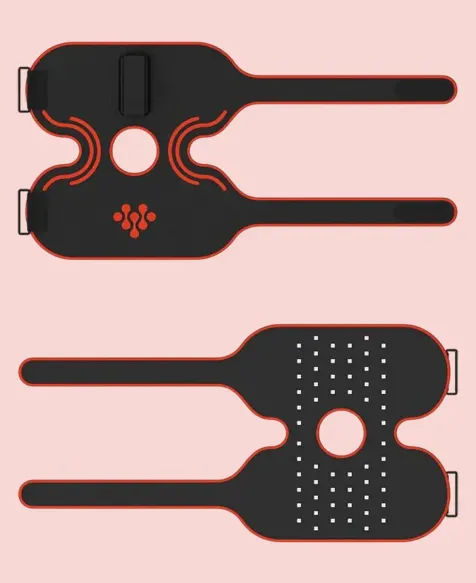
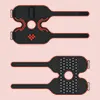
9. Infraredi Joint Wrap
Best For: Joint pain relief and arthritis management
Features: Combines 880nm infrared and 660nm red light in a wearable wrap
Price: $199.99
Pros & Cons
Pros
- Targets joint pain and stiffness with effective infrared and red light wavelengths
- Portable, lightweight, and easy to use at home
- Rechargeable and convenient for travel or on-the-go sessions
- Suitable for all major joints
Cons
- Not designed for larger areas of the body – it’s a targeted tool, not a full-body solution
- Results on chronic conditions may take a few weeks to become noticeable
More to Know
Quick Comparison Table
| Device | Price | Wavelengths | Best For |
|---|---|---|---|
| Novaa Light Switch | $249.90 | 620–625, 460–470, 585–595, 845–850, 650, 808nm | Skin, pain relief, regeneration |
| RLT Home Total Spectrum COMPACT | $995.00 | 480, 630, 660, 810, 830, 850, 1064nm | Medium treatment areas |
| Kiierr RH1000 | $899.00 | 660, 850nm | Upper-body coverage |
| Infrared 830 Device | $222.24 | 830nm | Deep skin & body penetration |
| Hooga Ultra 360 | $399.00 | 630, 660, 810, 850nm | Targeted daily sessions |
| Recharge Health FlexBeam | $520.84 | 660, 850nm | Wearable pain relief |
| Platinum LED BioMax | $1,049 | 630, 660, 810, 830, 850nm | Full-body recovery, biohacking |
| Bestqool Pro 100 | $319.00 | 630, 660, 850, 940nm | Budget four-wavelength coverage |
| Infraredi Joint Wrap | $199.99 | 660, 880nm | Joint pain, arthritis |
Frequency and Duration of Use
Most people land somewhere around 10 to 15 minutes per session, three to five times a week, then adjust from there based on how their body responds. More isn’t automatically better here, either. Infrared therapy follows what’s called a biphasic dose-response curve – basically, past a certain point, extra exposure stops adding benefit and can start working against you.
Family Medicine Physician Geny Augustine notes that skin temperature during a session plays a role in how well it works: a bit of warmth improves circulation and oxygen flow, which helps red light stimulate collagen more effectively, while keeping sessions to 10–15 minutes ensures skin absorbs the benefit without being overstimulated.
Your ideal frequency also depends on what you’re treating. Pain relief and muscle recovery sometimes call for slightly longer 20-minute sessions early on, while skin and stress-related goals tend to respond well to shorter daily use. For a deeper breakdown by condition, see our guide on how often to use red light therapy.
Key Benefits of Infrared Light Therapy
Board-certified dermatologist Dr. Nina Desai puts it this way: infrared light gets deep enough to help cells produce their own energy, and that energy is what fuels tissue repair, cell regeneration, and – over time – fewer visible signs of aging.
1. Reduction in Joint & Muscle Pain:
Blood vessels dilate under infrared light, and circulation picks up in whatever area is inflamed. That’s really what does the work: loosening tight muscles, bringing swelling down, and helping micro-tears heal faster after a hard workout
2. Wrinkle Reduction & Skin Rejuvenation:
Collagen and elastin production get a boost under infrared light, and circulation just beneath the skin improves right along with it. Stick with it and you’ll typically notice firmer, better-hydrated skin with fewer fine lines over time.
Board-certified dermatologist and cosmetic surgeon Dr. Dendy Engelman explains that red light triggers a biochemical effect in cells that produces more energy, which in turn helps cells work more efficiently to rejuvenate and repair damage – all without heat, invasiveness, or downtime.
3. Anti-Inflammatory Effects:
By dilating capillaries and improving the “flushing” of waste from tissue, infrared therapy can help reduce swelling and soreness associated with arthritis, tendonitis, and carpal tunnel syndrome
4. Increased Blood Circulation:
Infrared heat expands blood vessels throughout the body, supporting better oxygen and nutrient delivery – which is part of why it’s popular for both post-exercise recovery and general tissue healing.
Safety Considerations
FDA clearance is worth looking for when you can find it. It won’t guarantee dramatic results, but it does mean the device was actually tested to work the way it claims. Side effects tend to be mild, if you notice any at all – maybe some warmth, a little redness, slight irritation where you’re treating.
One caveat worth flagging: if you’ve got a history of photosensitivity, or you’re on medication that makes your skin more sensitive to light, check with your doctor before you start. Same goes if you’re pregnant or dealing with an active malignancy – those situations call for medical guidance first, not a home device.
What Categories of Pain Can Infrared Light Therapy Treat?
In most cases, the best infrared red light therapy devices for pain treatment work by stimulating different cells in body tissues such as ligaments, cartilage, muscles, and nerves, and this may help treat various conditions that may come up. As such, below are some of the conditions that most FDA approved infrared light therapy devices can treat:
1. Fibromyalgia
Fibromyalgia is a chronic disorder that comes with musculoskeletal pain that spreads all over the body. The pains also come with sleep disorders, fatigue, memory loss, and mood issues. Research claims that the cause of the painful sensation by these musculoskeletal pains may affect how the spinal cord and brain process the pain signals. A publication medically reviewed by Jessica Cho M.D, and published in the Forbes Health journal supports that infrared light therapy has proven to be effective in the treatment of conditions associated with chronic pain such as fibromyalgia. Dr. Eells says, “When red light therapy was administered via FibroLux laser by a health care professional three times a week for a three-week period, patients experienced a marked reduction in fibromyalgia pain.”
2. Musculoskeletal Injuries
Musculoskeletal injury is damage to the skeletal and muscular systems, which are basically associated with strenuous muscle activity. Musculoskeletal injury includes damage to bones, joints, skeletal muscles, tendons, soft tissues, and ligaments. A recent study published in the European Journal of Physical and Rehabilitation Medicine found that low-intensity laser and LED therapy is effective for pain control in the most common musculoskeletal conditions.
3. Wound Healing
swelling and inflammation are common effects after surgical procedures or injuries and this may slow down the healing process. Research studies prove that red light therapy may help reduce chronic and acute inflammation. The Official Publication of the Brazilian Society of Dermatology claims that red light therapy may stimulate collagen synthesis, which supports wound healing.
4. Muscle Tension
A study in the National Library of Medicine by Ahmed Fadhel, Dinah Finjan, et al concluded that red light therapy has potential benefits in improving symptoms of pain, muscle clicking, and tender muscles in patients with muscle tension and inflammation
5. Peripheral Neuropathy
A clinical trial in Acta Diabetologica found that infrared therapy helped restore some sensation in the peripheral nerves of diabetic patients. If neuropathy is what brought you here, we’ve got a more detailed guide on red light therapy for neuropathy that covers dosing and device choice for that specific situation.
Types of Infrared Light Therapy Devices
There are three types of Infrared Light Therapy. All three work by a similar mechanism which is to heat up inside while avoiding surface heating. The difference lies in the frequency of light and how it affects the body. To understand the best infrared therapy device for pain, it is important to understand the types of infrared Light Therapy Devices.
1. Near-Infrared Light Therapy
Near-infrared light therapy, also known as photobiomodulation, is a treatment that uses light in the near-infrared range of the electromagnetic spectrum. Near-infrared light has wavelengths between 0.78~3.0 μm, which allows the light to penetrate deeper into tissues than far-infrared or visible light. It works by increasing ATP production in cells, which provides energy for cellular function and healing. This combination of effects can be beneficial for treating various conditions and promoting overall well-being.
It has shown benefits for reducing joint and muscle pain, improving recovery from exercise, and treating injuries. It may also help reduce inflammation in conditions like arthritis. Some studies have found that near-infrared light therapy can aid neurodegenerative diseases and can also address wound healing and reduce signs of aging like wrinkles.
2. Mid-Infrared Light Therapy
Mid-infrared light therapy involves the therapeutic application of mid-infrared wavelengths between 3.0~50.0 μm to the body. It stimulates cellular activity and increases local blood circulation at the target site. Researchers believe that light therapy can be a very effective treatment.
Due to its ability to generate heat at depth while avoiding surface heating, mid-infrared therapy is effective for treating joint and muscle conditions. It reduces inflammation in conditions like tendonitis, bursitis, and carpal tunnel syndrome. Mid-infrared can also help relieve back pain, treat chronic wounds, and function in arthritic knees and hands when used for 10-15 minutes daily.
3. Far Infrared Light Therapy
Far infrared light therapy devices involve the use of infrared light in the far-infrared range of wavelengths between 50.0~1000.0 μm. Being longer wavelengths, far-infrared light can penetrate deeper into tissues than near-infrared or visible light waves. This increases local blood circulation and the temperature of tissues. The rise in temperature helps relax tense muscles and reduce pain and inflammation.
Far infrared therapy products may be better for conditions requiring enhanced circulation like chronic pain, arthritis, and tension. The generated heat makes it well-suited to target deeper tissues and address issues not reached as effectively by near-infrared light alone. Thus, Far infrared therapy is beneficial for various chronic health problems.
How Do Infrared Light Therapy Devices Work?
Skin and the tissue underneath absorb the light, and that absorption supports cell division and protein synthesis. Blood flow and circulation improve as a result – and that’s really the core mechanism behind how these devices ease pain and inflammation. There’s also a publication in the Journal of Neuroinflammation supporting red light therapy’s role in restoring sensory-motor function after spinal cord injury, which gives you a sense of how far this mechanism reaches beyond just skin-level benefits.
The American Society for Laser Medicine and Surgery points out that photobiomodulation has been used since the 1960s for exactly this reason: relieving joint pain and reducing inflammation without the recovery time that comes with more invasive treatments. Cleveland Clinic has also published a medically reviewed piece on infrared therapy’s potential for easing pain and inflammation in chronic conditions like osteoarthritis, carpal tunnel syndrome, and rheumatoid arthritis.
Features to Keep in Mind When Choosing a Device
1. Size of Light & Treatment Area
Match the device to what you’re actually treating. A large panel or bed makes sense for full-body sessions; a wearable or handheld is a better fit for one specific joint or muscle group. If you’re weighing a full panel setup for whole-body use, our best red light therapy panels guide breaks down larger-format options in more detail.
2. Irradiance
Irradiance – measured in mW/cm² – tells you how intensely the light hits your skin, and it matters more than total wattage. A smaller panel with efficient LEDs and high irradiance can outperform a larger, less efficient one.
3. Wavelength
Look for devices operating in the 660nm–1000nm range for effective, well-researched tissue benefits. Combination devices spanning red and near-infrared tend to offer the most versatility.
4. Intended Use
Be clear on what you’re trying to solve before you buy. Handhelds and wearables suit people who travel or need targeted treatment; panels and beds are better suited to home setups where you can commit to consistent full-body sessions.
5. Warranty
Look for at least a one-year warranty, and ideally longer – several devices on this list, including Hooga and Bestqool, back their panels for three years or more.
Frequently Asked Questions
Q: Which is better – infrared or red light therapy?
Q: Does infrared light therapy actually work for pain?
A: Yes. It gets deep enough to boost blood flow into muscles, nerves, and joint tissue, and that’s what helps ease pain and inflammation in conditions like osteoarthritis, rheumatoid arthritis, and fibromyalgia.
Q: Can I overdo infrared light therapy?
A: It’s considered safe overall, but that doesn’t mean more is always better. Push it too far and you might deal with irritability, eye strain, disrupted sleep, or headaches – so it’s worth sticking to the recommended session lengths instead of assuming a longer session gets you there faster.
Q: Does infrared light penetrate through clothing?
A: It can, actually. Wavelengths in the 800–1000nm range are strong enough to get through thin clothing or a bandage, though you’ll generally get better results treating bare skin directly.
Q: Do I need eye protection?
A: For short sessions, protective eyewear generally isn’t necessary. If you’re doing longer or more frequent sessions, though, wearing eye protection is a reasonable precaution against strain.
Conclusion
There’s no single “best” infrared light therapy device – it really comes down to what you’re treating and how you want to use it. If you want one device that handles skin, pain, and regeneration without buying three separate tools, the Novaa Light Switch is our top overall pick. If your main goal is joint or shoulder pain and you want something portable, the Recharge Health FlexBeam or Infraredi Joint Wrap are built specifically for that. And if you want full-body coverage without spending four figures, the Hooga Ultra 360 and Bestqool Pro 100 both offer real multi-wavelength performance at accessible prices.
Whichever device you choose, take a few minutes to match it to your actual treatment area and goals before you buy – that’s a bigger factor in your results than any single spec on the label. See our full best red light therapy devices roundup if you want to compare against non-infrared options as well.