

 Fact Checked

Overview
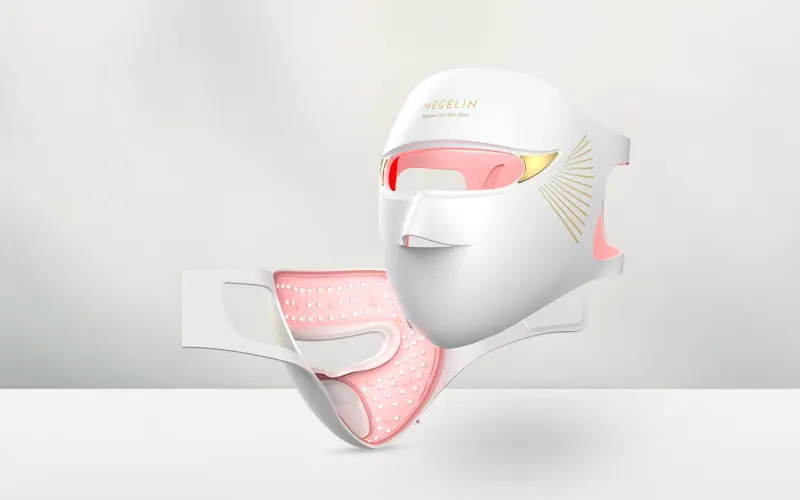
Most at-home light therapy masks stick to one lane: rows of LEDs, a handful of wavelengths, done. The Megelin Duo-Lux breaks from that formula, it’s built around both LEDs and lasers sharing the same faceplate, which is genuinely unusual for a home device.
On paper, that’s a lot to like: a wide wavelength spread, a high total count of light sources, a soft contoured shell, and four separate treatment modes.
And that’s precisely what makes this review tricky. Combining lasers with LEDs sounds impressive, but does it actually translate into a meaningfully better facial treatment, or is it mostly a marketing hook layered onto a fairly standard LED mask? That’s the question worth sitting with before anyone spends several hundred dollars on it.
Coverage, verified output, and real value for the price all deserve a closer look before this one earns a spot on your bathroom shelf
What Is the Megelin LED and Laser Light Therapy Mask?
Megelin markets the Duo-Lux as a “fusion” device, a single light-emitting unit that houses both broad LED illumination and more concentrated laser diodes, rather than treating them as separate tools. The idea is that LED light spreads gently across a wide surface area, while laser light is narrower and more directional, so pairing them is meant to combine breadth with precision in one mask.
The device uses a multi-wavelength approach, pulling from the visible red and amber spectrum as well as near-infrared light, and it’s shaped as a 3D contoured mask rather than a flat panel, meant to sit closer to the natural curves of the face. Megelin positions it toward people dealing with visible signs of aging, uneven tone, and general skin fatigue.
It’s worth pausing on one point before going further: laser light and LED light aren’t interchangeable just because they emit similar wavelengths. Lasers are coherent; the light waves travel in sync, while LED light scatters more like a lamp. That difference is what separates this mask from a typical multi-color LED device, at least conceptually. Whether that difference actually shows up in the results is a separate matter, and one this review keeps coming back to.
How Does It Rate?
Megelin LED and Laser Light Therapy Mask
 3.5/5Quality
 3.5/5User Friendly
 3.6/5Value
 3.8/5Customer Satisfaction
Pros
- Combines LED and laser light sources
- Offers several visible and near-infrared wavelengths
- High number of listed emitters
- Flexible, contoured facial design
- Four different treatment modes
Cons
- Considerably more expensive than many LED-only masks
- One-year warranty is relatively short for a premium device
- Lasers do not automatically make photobiomodulation more effective
- Independent testing has raised questions about laser irradiance
- Some reviewers have identified weaker coverage around specific facial areas
- Different modes and wavelength combinations add complexity
- Product-specific independent clinical evidence remains limited
How Does the Megelin LED and Laser Light Therapy Mask Work?
Before getting into what the mask claims to do, it helps to understand the underlying mechanism it’s built on: photobiomodulation. This is the term researchers use for the way certain wavelengths of visible and near-infrared light interact with skin cells; red and near-infrared light, in particular, have been studied fairly extensively for their potential to influence cellular activity in the skin.
Here’s the part that actually matters for this review, though. Laser light and LED light achieve photobiomodulation through different physical means. Laser is directional and concentrated; that’s what makes it useful in clinical settings for pinpoint treatment. LED light, on the other hand, spreads out, which is exactly what you want when the goal is broad, even coverage across an entire face.
A facial mask, by design, needs the second thing more than the first. The goal isn’t laser-precision treatment of one wrinkle at a time, it’s consistent exposure across the whole face in a single sitting. So the real review question isn’t “is laser light powerful”, it’s whether folding a directional technology into a device meant for broad coverage actually improves the outcome, or whether it mostly adds cost and complexity to something LED-only masks already do reasonably well.
Megelin LED and Laser Light Therapy Mask at a Glance
| Feature | Megelin Duo-Lux Laser & LED Mask |
|---|---|
| Light Technology | LED + Laser |
| LED Count | 334 LEDs* |
| Laser Count | 60 lasers* |
| LED Wavelengths | 595nm, 630nm, 660nm, 830nm, 1064nm* |
| Laser Wavelengths | 660nm, 1064nm* |
| LED Irradiance | 45 mW/cm²* |
| Laser Irradiance | 70 mW/cm²* |
| Design | 3D contoured facial mask |
| Return Period | 60 days* |
| Best For | Users interested in combined LED and laser technology |
Scientific Evidence Behind LED and Laser Light Therapy for Skin
Red Light and Skin Rejuvenation
Red light, generally in the 620–660 nm range, is the most studied wavelength in at-home photobiomodulation.
A frequently cited randomized, controlled trial of 136 volunteers found that red and near-infrared LED treatment produced measurable improvements in patient satisfaction, fine lines, wrinkles, skin roughness, and intradermal collagen density, as measured by ultrasonography over 30 sessions.
It’s a genuinely well-supported wavelength, but the research base is still built mostly on modest sample sizes and shorter trial periods, so “supports” is a more accurate word than “guarantees.”
Near-Infrared Light
Near-infrared wavelengths, like the 830 nm and 1064 nm included here, penetrate deeper into tissue than visible red light does. The same Wunsch and Matuschka trial cited above specifically combined red and near-infrared wavelengths and is one of the more commonly referenced studies on this combination.
Separately, near-infrared 1064 nm light has also been studied in laser form for stronger dermal effects; a study evaluating 1064 nm near-infrared laser treatment in Asian skin found it stimulated long-lasting elastin production and could be measured histologically.
That’s laser-delivered NIR rather than LED-delivered NIR, which is a distinction worth keeping in mind; the two don’t necessarily behave identically even at the same wavelength. The evidence for NIR broadly is reasonably established, though, as with red light, most consumer devices haven’t been tested as standalone units against placebo in large trials.
Amber Light and Skin
The mask also includes 595 nm amber light in some of its modes. This wavelength has a smaller body of research behind it compared with red and NIR.
One split-face randomized trial of 137 women directly compared 660 nm red and 590 nm amber LED protocols at the same light dose and reported a roughly 30% reduction in periocular wrinkle volume using objective imaging.
That study is a reasonable reference point for amber light specifically, though it’s worth noting it measured a fairly narrow area (around the eyes) rather than full-face results, and any pigmentation or redness claims tied to amber light more broadly should be read with a fair amount of caution.
Laser vs. LED Light
This is really the crux of the whole review. Lasers are coherent and travel in a tight, directional beam. LEDs are incoherent and spread more broadly, covering a wider surface with less concentrated energy per point. Both can produce photobiomodulation effects when the wavelength, dose, and irradiance are appropriate, coherence itself isn’t proven to be the deciding factor in skin outcomes, despite how it’s sometimes marketed.
Notably, the systematic review referenced above raised this exact question directly, noting that some researchers have questioned whether LED sources produce the same effects as the laser-based systems used in higher-quality clinical studies.
On the laser side specifically, 1064 nm Nd:YAG lasers have their own separate body of research, including studies documenting new collagen formation and reduced erythema after non-ablative 1064 nm laser treatment and a pilot study showing improvement in skin tone and texture after repeated 1064 nm Q-switched Nd:YAG laser sessions.
It’s worth flagging that most of this laser research comes from higher-powered clinical/professional devices rather than low-power home units, so those results don’t automatically transfer to a consumer mask running at a fraction of the energy.
In other words, whether a laser or LED performs “better” really comes down to dose, treatment area, and how the device is engineered, not to which technology sounds more advanced on a spec sheet. That’s a distinction Megelin’s own marketing tends to blur, and it’s one this review tries to keep clear throughout.
Key Features of the Megelin Duo-Lux Mask
Combined LED and Laser Technology
The core pitch here is that broader LED coverage and narrower laser output work from the same faceplate, in theory delivering both wide-area exposure and more concentrated energy at specific points. It’s a genuinely novel setup for a home mask, the open question is how much practical benefit that combination adds once it’s actually strapped to a face for 10–20 minutes a day.
Multiple LED and Laser Wavelengths
Between the LED and laser components, the Duo-Lux draws from five listed wavelengths total: 595nm, 630nm, 660nm, 830nm, and 1064nm. That’s a wider spread than most single-purpose red light masks offer, which is what lets it toggle between modes aimed at different concerns rather than running one fixed wavelength combination.
3D Contoured Mask Design
Rather than a flat plate, the Duo-Lux is molded to curve with the face. Flexible, curved masks like this generally do a better job maintaining consistent skin-to-light distance across the whole face, flat masks tend to sit closer at the nose and cheekbones and further away near the jaw and temples, which changes the effective dose at each spot. In principle, the contoured shape should even that out somewhat.
Multiple Treatment Modes
Megelin lists four modes, each pulling from a different combination of the available wavelengths, one aimed at wrinkle repair, one at tone, one at inflammation, and one described as a daily maintenance setting.
Hands-Free Operation
The mask runs off a separate wired remote/controller rather than requiring buttons on the mask itself, and it doesn’t need straps to stay in place; you put it on and it sits there. That’s a fairly standard setup for this category of device at this point, and it works well enough in practice.
Face and Neck Options
Buyers can choose between the face-only mask or a face-and-neck set that adds a separate flexible collar piece for the neck and upper chest area. The set costs more, understandably, but it’s a reasonable option for anyone who wants to treat that area at the same time.
First-Hand Testing Experience
Unboxing and Setup
The box includes the mask, the wired remote controller, a charging cable, and (depending on the bundle) the neck attachment. Setup is fairly quick: charge the controller, plug it into the mask, and you’re ready to go within a few minutes on first use. Nothing about the initial setup is complicated, which is a plus for anyone new to this kind of device.
How Comfortable Is the Megelin Mask?
Comfort is one of the more subjective parts of any mask review, but a few things came up consistently. The mask itself is fairly light and doesn’t press hard on the face; the curved shape helps distribute weight rather than concentrating it at the nose bridge, which is a common complaint with flatter designs. That said, one hands-on review from a separate outlet found the fit generally comfortable overall, with strong contact through the cheeks but somewhat reduced coverage toward the lower jaw. Worth noting: that’s a third-party finding, not something independently confirmed here, so treat it as a data point rather than a verdict.
Using the Controls and Treatment Modes
The remote is straightforward, with a few buttons, a small screen, mode and timer selection. Button response is quick enough not to be frustrating. Where it falls a bit short is labeling: the modes aren’t named in a way that immediately tells you what each one targets, so a quick look at the manual is basically required the first time through. Once you know what each setting does, though, switching between them is simple.
Heat, Light Comfort, and Overall Session Experience
During a full session, the mask does warm up somewhat, though not to an uncomfortable degree under normal conditions. Light intensity felt manageable through the eye openings, and most users shouldn’t find the brightness overwhelming. A full 10–20 minute session is generally tolerable to sit through without needing to remove the mask early, though, as with any light therapy device, individual sensitivity varies.
Design, Portability, and Everyday Use
The silicone-style shell is flexible enough to fold slightly for storage, which helps if counter space is limited. It’s not the most travel-friendly device given its shape and the separate controller box, but it’s manageable for occasional trips. Cleaning is simple, a wipe-down after use is generally enough. Long-term durability is harder to assess without extended use, but nothing about the build feels obviously fragile in the short term.
Taken together, the hands-on experience is solid without being remarkable, comfortable enough to use regularly, easy enough to operate once you understand the modes, and built well enough for daily wear. It doesn’t feel dramatically more advanced in actual use than a well-made LED-only mask does.
Potential Benefits of the Megelin LED and Laser Mask
May Help Reduce the Appearance of Fine Lines
Red and near-infrared light have both been studied in connection with visible improvements in fine lines over consistent use; this mask’s inclusion of both wavelengths puts it in a reasonable position here, though results vary quite a bit from person to person.
May Support Firmer-Looking Skin
Collagen-related mechanisms are the most commonly cited pathway behind red and NIR light’s skin effects. It’s a plausible mechanism worth taking seriously, but it’s also one that plays out gradually and inconsistently across different skin types, so patience matters more than any single session.
May Help Improve Overall Skin Tone
The visible-light wavelengths in this mask, particularly the amber and red components, are aimed at supporting a more even-looking tone over time. This is a softer claim than pigmentation correction, and it should be read that way.
May Support Skin Rejuvenation
Used broadly, this is really an umbrella term covering the appearance-related benefits above rather than a specific medical outcome. It’s a reasonable way to describe what this category of device is generally used for.
May Be Useful for a Multi-Wavelength Skincare Routine
For someone who wants flexibility rather than a single fixed wavelength, having several options in one device does offer some practical value; swapping modes based on how skin looks that day is a nice-to-have, even if the underlying benefit of any one mode isn’t dramatically different from the others.
Megelin Mask Performance: Wavelengths, Irradiance, and Dose
Wavelengths
Megelin’s official spec sheet lists five wavelengths across the LED and laser components. That said, one independent hands-on review reported measured wavelength peaks that differed somewhat from what’s listed on the current official product page. This matters because manufacturer specifications and independently measured output aren’t always the same thing; production variance, firmware updates, and testing methodology can all account for gaps. This review didn’t run its own spectrometer testing on a unit, so the manufacturer’s numbers are presented here as claims, with the third-party discrepancy flagged for transparency rather than treated as confirmed fact.
Irradiance
Megelin lists 45 mW/cm² for the LED component and 70 mW/cm² for the laser. Irradiance numbers alone, though, don’t tell the whole story; actual effective dose depends heavily on distance from skin, session length, beam characteristics, and how the measurement itself was taken. A separate independent review reported a notable gap between Megelin’s claimed laser output and what it measured directly, a finding that should be attributed to that outlet’s testing specifically, since it hasn’t been reproduced here.
Dose and Session Length
Combining irradiance and time gives you fluence, typically measured in J/cm². The same third-party review estimated that a 10-minute LED session on this mask delivered roughly 11.6 J/cm², a figure worth mentioning as external testing data rather than a number this review can independently confirm. For context, that’s within a range commonly discussed in photobiomodulation literature, though whether it’s optimal depends on the specific goal of the session.
How Well Does the Megelin Mask Cover the Face?
More LEDs and lasers packed into a mask doesn’t automatically mean better coverage, placement and spacing matter just as much as raw count.
- Forehead and Temples: Generally solid across the forehead itself, though coverage reportedly thins out toward the temples in at least one independent test.
- Crow’s Feet and Under-Eye Area: This is a commonly flagged weak spot across the LED mask category generally, and the Duo-Lux is no exception according to third-party observations, the eye openings necessarily limit how much light reaches this zone.
- Nose and Mid-Face: The contoured shape appears to handle this region reasonably well, since the mold follows the nose bridge fairly closely.
- Cheeks: Reported as one of the stronger coverage zones in independent testing, likely due to the flatter, more consistent surface area here.
- Chin and Jawline: Flagged as another area of weaker or uneven coverage in the same third-party review, particularly toward the edges of the jaw.
Bear in mind that these specific coverage observations come from one outside hands-on test and haven’t been independently reverified for this article, they’re included here as a useful reference point rather than a confirmed finding.
Megelin LED and Laser Mask vs. Better Alternatives
| Feature | Megelin LED + Laser Mask | Glokore LED Mask | CurrentBody Skin LED Mask |
|---|---|---|---|
| Light Technology | LED + Laser | LED only | LED only |
| Facial Coverage | Moderate, some gaps reported | Strong, even coverage | Strong, even coverage |
| Wavelength Selection | Broad (5 wavelengths) | Multi-Mode (7 Wavelengths) | Focused (3 highly precise wavelengths) |
| Comfort and Fit | Good, contoured | Good, lightweight | Good, flexible silicone |
| Irradiance | Claimed high, independently disputed | Consistent, well-documented | Consistent, well-documented |
| Treatment Modes | 4 modes | Fewer, simpler modes | Fewer, simpler modes |
| Price | $499.00 | $109.99 | $469.99 |
| Overall Value | Mixed — pay more for unproven laser benefit | Strong value for coverage | Strong reputation, established track record |
Who Is the Megelin LED and Laser Light Therapy Mask Best For?
Users Specifically Interested in Laser Technology. If the appeal of trying a combined laser-and-LED device is the main draw, this is genuinely one of the few home options that offers it.
Users Who Prefer a Contoured, Flexible Mask. The curved shape is comfortable in practice, and that alone makes daily use easier for a lot of people.
Users Looking for Multiple Wavelengths. Anyone who wants more than a basic red/NIR setup and likes having mode options will find more flexibility here than in simpler devices.
Who May Want to Choose an Alternative?
This mask isn’t the right call for everyone. It may not suit:
- Budget-conscious buyers, given the price sits well above many established LED-only masks
- Users who prioritize broad, consistently even coverage over technological novelty
- People who want a simpler device with clearer mode labeling and controls
- Buyers focused on securing the strongest available warranty or long-term support
- Anyone unconvinced that laser technology adds enough real-world value to justify the extra cost
Megelin LED and Laser Light Therapy Mask FAQs
What is the Megelin Duo-Lux Laser and LED Light Therapy Mask?
A: It’s a home-use facial mask that combines LED and laser light sources in one device, spanning several wavelengths aimed at fine lines, tone, and overall skin appearance.
What wavelengths does the Megelin mask use?
A: Per current manufacturer specifications, it includes 595nm, 630nm, 660nm, 830nm, and 1064nm across its LED and laser components.
What is the difference between the lasers and LEDs in the Megelin mask?
A: Lasers emit a narrow, coherent, directional beam, while LEDs emit a broader, less concentrated light. Both can achieve photobiomodulation effects, but they do so through different physical mechanisms.
How often should you use the Megelin LED and Laser Mask?
A: Megelin’s current guidance should be confirmed directly from the official instructions included with the device, as recommended frequency and session length can vary by mode.
Is the Megelin Laser and LED Mask FDA-cleared?
A: Megelin states the device is FDA-cleared. Buyers should verify the specific clearance category and scope directly through the FDA’s database or Megelin’s official documentation rather than relying solely on marketing copy, since clearance status can apply to specific claims rather than the device broadly.
Is the Megelin LED and Laser Mask better than an LED-only mask?
A: Not necessarily. It offers a wider wavelength range and a novel combined technology, but independent testing has raised questions about coverage consistency and measured output versus claims. An established LED-only mask with strong, even coverage may deliver comparable practical results for a lower price.
Is the Megelin LED and Laser Light Therapy Mask Worth Buying?
The Duo-Lux is an interesting device, and it’s hard not to respect the ambition behind combining lasers and LEDs in a single home mask; that’s not something most competitors have attempted. The wavelength range is broad, the contoured design is genuinely comfortable, and the underlying photobiomodulation science behind red and near-infrared light has real support behind it.
But the case for paying a premium specifically because of the laser component is weaker than the marketing suggests. A facial mask’s job is broad, even coverage, not pinpoint precision, and that’s the exact strength LEDs already bring on their own.
Add in the reported coverage gaps, the gap between claimed and independently measured output, and a price point well above several well-established LED-only alternatives, and the Duo-Lux starts to look like a device best suited for buyers specifically curious about laser technology rather than anyone chasing the most reliable value for the price. For most people, an LED-only mask with strong, even coverage and a track record of consistent output may be the more sensible place to start.




September 14, 2026
Good overall experience, but the premium price is difficult to overlook
I’ve been reasonably satisfied with the mask so far. The different treatment modes give me some flexibility, and my skin feels smoother after several weeks of use. However, I’m still not convinced that having lasers makes a huge difference for my particular results. The one-year warranty also feels short considering what the mask costs.