

 Fact Checked

Editor's Rating
ALLOLO Red Light Therapy
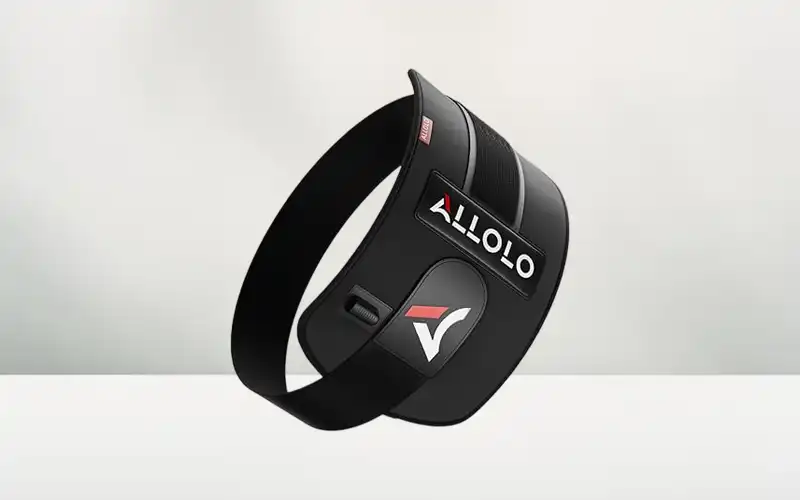
Overview
There are plenty of red-light devices from different brands. The ALLOLO LED device is among such, and it claims to help with the relief of pain, inflammation, and muscle soreness.
This wearable belt led light therapy combines both red and near-infrared light of 660nm and 850nm, respectively, worn by wrapping around the back, knee, or hand to relieve pain, inflammation, and or muscle soreness.
However, the ALLOLO wearable belt is a consumer-marketed red light device designed to manage mild pain and inflammation and promote wellness. Compared to similar devices from other brands on the market, they may differ in terms of quality, performance, and price in the sense that devices from other brands may have superior quality and functionality at a fair price compared to ALLOLO.
This article has everything you need to know about ALLOLO red light therapy. Read to the end and then decide for yourself whether it is worth investing in.
What Is ALLOLO Red Light Therapy?
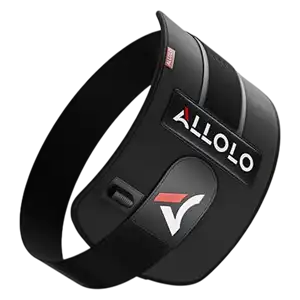
ALLOLO is a wearable LED light therapy belt combining the wavelength of red 660nm and 850nm near-infrared light combo designed to target inflammation, pain, and muscle soreness. This LED belt comprises a remote timer, LED beads, and an adjustable strap to meet your specific needs.
It’s marketed as an at-home-use device because it helps you manage pain, muscle soreness, and inflammation in areas like the back, knees, and hands, and promotes skin rejuvenation right from the comfort of your home.
How Does It Rate?
ALLOLO Red Light Therapy
 3.7/5Quality
 4.3/5User Friendly
 3.6/5Value
 4.4/5Customer Satisfaction
Pros
- An easy-to-use device
- A lightweight and portable device
- The device offers versatile functionality
Cons
- May cause mild redness and skin irritation
- May offer varied results
- Require consistent use for better results
- The device set for maximum temperature to limit heat penetration and pad heating
- Direct connection to power source during treatment sessions may limit mobility
Advertisement
*All individuals are unique. Your results can and will vary.
How Does It Work?
Red 660nm and near-infrared 850 nm light is claimed to absorb deeper into the human tissue to deliver deep healing. According to research studies, the stated wavelengths are absorbed by mitochondrial cytochrome oxidase, which then aid to reduce oxidative stress, boosting ATP synthesis, and reducing blood flow.
Red light and near-infrared light treatment are used in therapeutic interventions due to their ability to revitalize injured tissues. This bio-modulation of cellular processes, also known as photobiomodulation, helps in the regeneration of tissues and cells.
During red light therapy treatment, red light is usually absorbed into the skin surface while near-infrared light penetrates through the skin, reaching the deeper tissues and bones to ensure better healing.
Most of the marketing claims of the manufacturers are that red light devices play a great role in relieving pain, enhancing circulation, and supporting collagen production. While some scientific studies have been able to confirm these claims, the results may not be applicable to all red light devices because their wavelengths and healing duration sessions differ.
Generally, most of the clinical evidence claimed by the manufacturers, including ALLOLO red light therapy are not device-specific, and so their efficiency and safety assertions lack validation. Also, on the Amazon listing, there is no information clearly stating if this device is FDA-cleared, which then questions its legitimacy.
Expert Opinion
Researcher and Physician Dr. Mohab Ibrahim, director of Chronic Pain Management Clinic at the University of Arizona’s College of Medicine in Tucson, Arizona, told The New York Times that after researching different forms of red light therapy devices for pain, he still maintains some skepticism.
According to Dr. Ibrahim, the majority of researchers to date still don’t have a full understanding of the mechanisms of action of these devices. He adds that evidence-based guidelines that can help determine the best red light device that works best for different forms of pain is missing. Also, most red light therapy devices are not FDA-listed and are not reviewed in third-party testing for potency and safety.
Generally, most red light therapy devices are consumer products mostly designed to deal with mild health concerns and promote overall body wellness, and therefore, mostly underdeliver. Clinical grade, on the other hand, are designed to meet high-precision standards requirements for critical care and medical diagnosis, which explains the major differences in regulation, hardware quality, and purpose.
Quick Facts and Specs
| Wavelengths | Red 660nm & near-infrared 850nm |
|---|---|
| Coverage area and dimensions |
|
| Timer settings | 5-30 minutes |
| Power | USB powered, no battery included |
| Models available | Wearable 3-in-1 compact belt |
| Purchase | Amazon |
Health Benefits
Based on customer reviews, the results of the ALLOLO red light therapy belt seem to be mild and marked with inconsistency. Below are some of the reported benefits of using the device. However, it’s worth noting that optimal results will largely depend on your regularity or consistency of use.
- Pain relief and muscle recovery support: ALLOLO red light therapy belt claims to combine red 660nm & near-infrared light that penetrates deeper, reaching the deeper tissue for tissue repair and promote recovery and bone joints to relieve inflammation, stiffness, and pain, thus promoting flexibility and mobility.
- Circulation enhancement: The red light belt claims to promote circulation, crucial for delivering nutrients and oxygen-rich blood to the ligaments and muscles.
- Inflammation reduction: Claims to contain 850nm near-infrared light that penetrates the skin to reduce inflammation in the joints, thus ensuring faster healing of injuries
- Skin rejuvenation: Claims to promote elastin and collagen synthesis, compounds responsible for reducing aging symptoms and improving skin texture.
Evidence
There is currently a number of studies supporting the efficiency and safety claims of various red light treatment devices.
According to one research study published in the Journal of Photochemistry and Photobiology, red light exposure helps in the stimulation of metabolic, cellular, and signal changes that result in reduced inflammation, improved tissue repair, and increased cell proliferation.
However, other researches have emerged with different evidence as far as the efficacy and safety of these devices are concerned, meaning that there are high chances that the results that these red light devices claim to deliver may not be universal.
Most of the red light devices sold on Amazon do not give clear information on whether the product is FDA-cleared and also validated for efficiency and safety in third-party facilities.
How to Use?
It is designed to be placed directly on the skin, although using it over light clothing is still okay. Place it in targeted areas like the back, muscles, or joints for muscle recovery and pain relief. 1-2 sessions per day lasting for 10-30 minutes is recommended.
Note that the device doesn’t offer instant results, so you are expected to use it consistently for at least 4 weeks or more for better results. To avoid skin redness or irritation, avoid overusing.
Remember to also wear eye protection wears to protect your eyes from light sensitivity effect. And most importantly, remember to always stick to the recommended usage directions.
Advertisement
*All individuals are unique. Your results can and will vary.
Side Effects and Risks
ALLOLO red light therapy wearable belt is marketed as a non-invasive, risk-free device for managing pain. However, this doesn’t mean that it has no side effects. Common side effects include mild skin redness or warmth, and people with highly sensitive skin may experience skin irritation.
There is a possibility of reaction, especially for people highly sensitive to light or those on certain medications. So, individuals who are photosensitive or on medication need to consult with a healthcare professional before using the device.
Generally, there are risks associated with DIY devices, especially where there is a lack of professional oversight. Close monitoring by professionals is encouraged to avoid or prevent the possibility of health risks.
Reviews
Based on our research, there are mixed reviews regarding the quality, efficiency, and functionality of this device. Some users have applauded the ALLOLO LED belt for its ability to aid in pain reduction. However, there are those users who have tried the same device and feel that it is a waste of money because first, its quality is wanting and does not live up to their expectations.
For instance, there is a customer on Amazon who faulted the device, claiming that the only thing the device does is to warm up with no pain relief effect. Another purchaser also on Amazon claimed that though the device arrived in perfect condition, it did not work for him. Another user said that it stopped working after using it for 4 weeks and then came back to life again. It was kind of on and off thing.
Alternatives
| Specs | NOVAA Light Pad | Hooga Red Light Therapy Belt | Light Therapy X |
|---|---|---|---|
| Best for | Deep healing and full body pain relief | Muscle recovery, pain relief, and skin rejuvenation | Pain relief, muscle recovery, cell growth boosting, and skin rejuvenation |
| Wavelength | 660nm red light & 850nm near-infrared light | 660nm red light & 850nm near-infrared light | 660nm red light & 850nm near-infrared light |
| Transparency |
|
| No clear information on third-party testing and FDA-cleared listing |
| Irradiance data publication | Partial publication | Partial publication | No publication |
| Marketplace-based | Strong | Moderate | Moderate |
| Warranty | Extended (60-day risk-free trial with up to 3 years warranty) | Limited (I year warranty) | Standard (2-year warranty) |
| Budget wrap option | Full-body wrap therapy | Specific body areas | Targeted treatment |
FAQs
How Long Should I Use ALLOLO Red Light Therapy Belt?
A: This device has a recommendation of 1-2 sessions per day, with each lasting between 10 and 30 minutes. However, the allowance period allows you to adjust the duration so that it meets your specific needs. Longer durations may help if you have had strenuous activities and vice versa.
Can Anyone Use ALLOLO Red Light Therapy Belt?
A: The device is generally fit for use by anyone. However, those with photosensitivity or on medication need to approach it with care because of the possible reaction. They need to consult with a doctor before using the belt.
What is the Best Way to care for and maintain the ALLOLO red light therapy belt?
A: To ensure device longevity, unplug from the power source immediately after you are done with your treatment session. Keep it away in a dry place, far from electronic components.
Conclusion
Based on reviews, the ALLOLO LED belt seems to be a promising device for managing pain, as a good number of users have supported its pain relief efficiency claim.
However, the same product has received criticism for being inefficient with faulty functionality. The mixed reactions from users regarding the quality and efficiency of this device are an indication that it offers varied results and therefore needs to be approached with an open mind.
As a consumer-marketed device, it might be a good choice for those working under a budget and only need to address mild issues. However, it might not be ideal for those seeking deep clinical results.
Advertisement
*All individuals are unique. Your results can and will vary.




Rating Snapshot:
Review this product & share your experiences with other customers. Don't see your question? Ask away!
Add a YouTube video