


In This Review

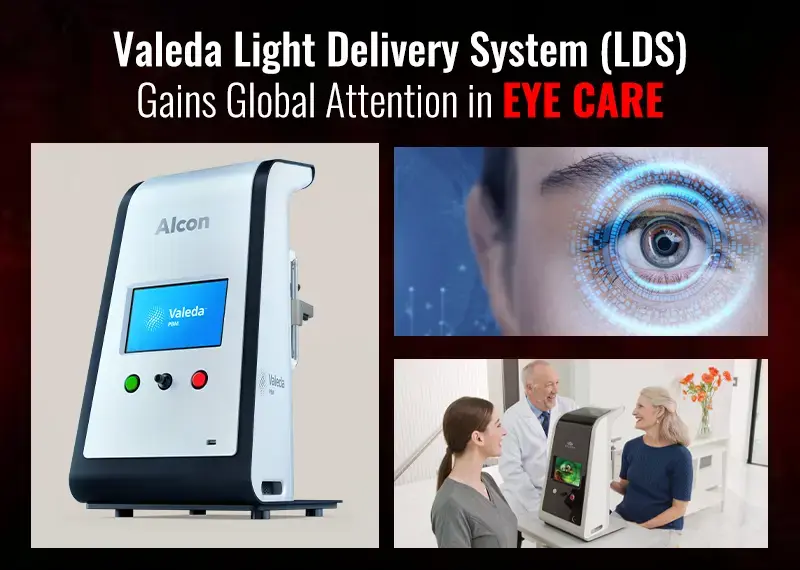
A new light-based treatment is starting to change how doctors think about age-related vision loss. The Valeda Light Delivery System, which uses red and near-infrared light, is gaining attention as a potential option for people with dry age-related macular degeneration (AMD)—a condition that has long had very limited treatment choices.
The device is already being used in eye clinics across the United States and parts of Europe. What makes it different is its goal: not just slowing vision loss, but actually helping improve vision in some patients.
That shift, even if small, is significant. For years, people with dry AMD have had to accept gradual decline as part of the condition. Now, that expectation may be starting to change.
A Condition That Has Long Lacked Solutions
Dry AMD has long been a challenge due to the absence of therapies capable of restoring vision. Patients have traditionally relied on monitoring and supplements, with limited ability to alter disease progression meaningfully.
Limited Treatment Landscape
For decades, clinicians managing dry AMD have operated within a narrow therapeutic framework. Unlike wet AMD, which benefits from anti-VEGF therapies, dry AMD has lacked interventions that directly improve visual acuity. Standard care has largely focused on slowing progression rather than reversing damage.
Growing Patient Burden
Epidemiological data indicate that dry AMD remains one of the leading causes of vision loss globally, particularly among aging populations. As life expectancy increases, the number of affected individuals continues to rise, intensifying the need for effective early-stage treatments.
Shift Toward Active Intervention
The introduction of photobiomodulation therapy represents a shift toward active intervention. Clinical findings suggest that targeted light therapy may influence retinal cell function, opening the possibility of improving visual outcomes rather than solely delaying decline.
Scientific Interest Intensifies
Peer-reviewed studies have increasingly explored the role of mitochondrial dysfunction and oxidative stress in retinal diseases. Photobiomodulation, by targeting these mechanisms, has gained attention as a biologically plausible therapeutic approach supported by both preclinical and clinical research.
How This Light-Based Treatment Works
The Valeda system works by shining specific wavelengths of light into the eye in a controlled way. While that may sound simple, the idea behind it is based on how our cells produce energy.
Inside our cells are structures called mitochondria, which act like tiny power generators. In conditions like AMD, these systems don’t work as efficiently. The light used in this therapy is believed to help these cells function better.
Researchers think this process may:
- Help cells produce more energy
- Reduce stress and damage inside the eye
- Support healthier retinal function over time
The treatment itself is non-invasive and done in a clinical setting. Patients sit in front of the device for short sessions, making it a relatively simple procedure compared to many traditional treatments.
For a closer look at how this approach supports vision, read more about Red Light Therapy for Eye Health.
What the Research Shows So Far
The Valeda system is primarily of interest due to the clinical research findings that have been encouraging.
Small but Meaningful Vision Improvements
In one major study, patients who received the treatment were able to read about one extra line on an eye chart compared to those who did not receive it. That might sound like a small change, but for someone with vision loss, even a slight improvement can make a real difference.
Results That May Last
Follow-up studies suggest that these benefits can last over time, especially when treatment is repeated at intervals. Some patients maintained improvements for years, which is an important factor for a long-term condition like AMD.
A Strong Safety Record
Safety is another significant aspect. There are minimal side effects, which have been reported so far, and the treatment has been well tolerated. This makes it appealing for patients looking for non-invasive options.
Not a One-Size-Fits-All Solution
At the same time, it’s important to note that not everyone responds the same way. Some patients see more improvement than others, and researchers are still working to understand why.
From Wellness Trend to Medical Use
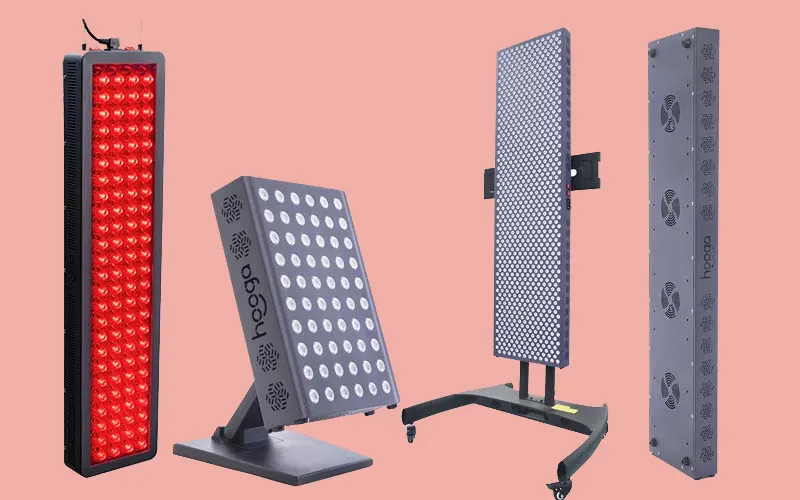
Red light therapy has been around for years, often used for things like skin care or muscle recovery. But its move into eye care marks a big step forward.
The medical community is finally realizing that light can have very specific, direct effects on cells and tissues. Valeda is among the pioneer products bringing this technology to the eye/vision sector. More importantly, it is a good illustration of how medical treatments and products for use at home differ.
While a consumer device can only give you a very basic exposure to the therapy or have a quite limited effect, a system like Valeda is a complete and complex machine with very detailed settings, and the use of this device is always done under the close eye of a professional. ‘.
Growing Industry Support
The attention around Valeda has also increased following its acquisition by a major global eye care company. This kind of move usually signals confidence in both the technology and its future potential.
With larger companies involved, there is often more support for expanding access, training doctors, and continuing research. Plans are already in place to bring the treatment to more regions in the coming years.
This kind of backing could help move the therapy from a niche option to something more widely available.
What This Means for Patients
For people living with dry AMD, the biggest takeaway is simple: there may finally be more options.
Even modest improvements in vision can make everyday life easier. Being able to read more clearly or recognize faces can have a meaningful impact on independence and quality of life.
For doctors, this treatment is a new thing in their arsenala medium option between doing nothing and going for highly aggressive interventions. It may not completely supercede the existing ways but, most probably, will be one of the main elements of early-stage AMD management.
Looking Ahead
The Valeda Light Delivery System represents a measured but meaningful advancement in eye care. While it is not a cure for dry AMD, it introduces a new approach grounded in cellular biology and supported by emerging clinical evidence.
As more studies are completed and more patients receive treatment, a clearer picture will emerge. Questions around who benefits most and how often treatment should be given are still being explored.
What is clear, however, is that red light therapy is beginning to move beyond its early reputation and into more serious medical use.
For now, Valeda offers something that has been missing for a long time in eye care—a possibility, however gradual, of improving vision rather than simply watching it decline.